
Traveling with a pre-existing medical condition requires more than just booking a flight; it demands a specialized insurance strategy to avoid being left vulnerable abroad. The most critical factor when comparing travel insurance policies for those with health issues is not simply the price, but the specific definition of “pre-existing condition” and whether the policy offers a waiver if you purchase coverage shortly after your initial trip deposit. Standard policies often exclude any medical history prior to the inception date of the insurance, which can leave travelers facing thousands in uncovered costs for emergencies related to chronic illnesses like diabetes, hypertension, asthma, or heart conditions.
To find the best policy, you must look beyond the headline premium and scrutinize the fine print regarding exclusions, waiting periods, and coverage limits. The optimal choice usually involves a “medical underwriting” process where you disclose your full medical history to get an accurate quote, rather than buying a generic plan that might reject your claim later. This guide provides a practical framework for navigating these complexities, ensuring you select coverage that offers genuine protection rather than false security.
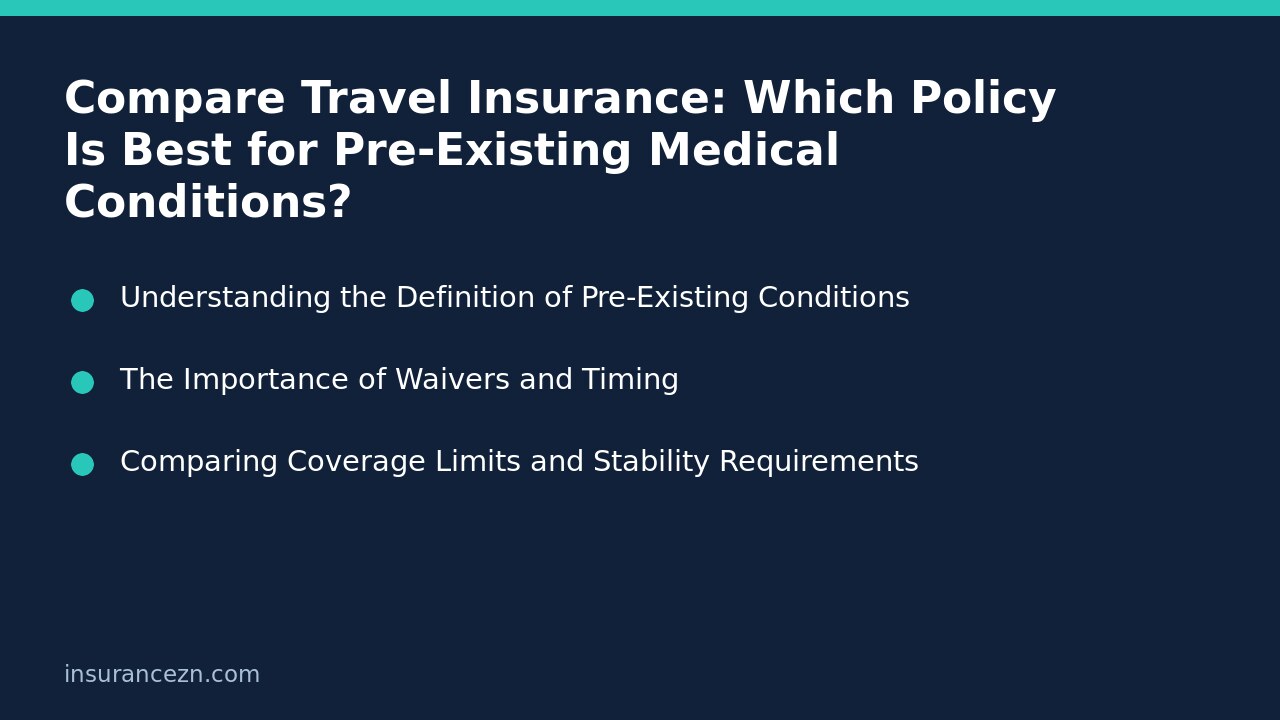
Understanding the Definition of Pre-Existing Conditions
The term “pre-existing condition” is defined differently across various insurance carriers and jurisdictions. Generally, an insurer considers a condition pre-existing if:
1. You received medical advice, diagnosis, or treatment for it within a specific timeframe before purchasing the insurance (often 60 to 180 days).
2. The symptoms were present before you bought the policy, even if no formal diagnosis had been made yet.
3. A medication was prescribed for the condition prior to the policy start date.
This definition is the primary reason why “cheap” travel insurance often fails travelers with health issues. If a policy excludes all pre-existing conditions without an exception clause, your medical history from years ago could trigger an exclusion if you develop a flare-up abroad. For instance, if you had surgery for a hernia three years ago but are currently taking no medication and have seen no doctors regarding it, some policies might consider this “stable,” while others will exclude it based on the initial diagnosis date. Always verify how the specific insurer defines the timeline for exclusions.
The Importance of Waivers and Timing
The most effective way to secure coverage for a pre-existing condition is through a pre-existing condition waiver. This provision allows you to receive benefits for medical conditions that would otherwise be excluded, provided you meet strict criteria. The most common criterion is timing: you must purchase the insurance within a short window after making your first non-refundable trip deposit (usually within 14 to 21 days).
If you buy your policy later than this window, or if you have already seen a doctor for the condition in the preceding months, the waiver will not apply, and the condition remains excluded. Some insurers offer “stable condition” clauses, which allow coverage if your condition has not changed significantly for a set period (e.g., 12 months) prior to purchase. However, these are less common than the timing-based waivers. When comparing policies, prioritize those that explicitly state they cover pre-existing conditions upon early purchase rather than relying on vague “stable condition” language.
Comparing Coverage Limits and Stability Requirements
Even with a waiver, there are often limits on how much coverage is provided for pre-existing conditions compared to standard medical emergencies. Some insurers cap the payout for pre-existing issues at a lower amount or require that the condition be considered “stable.” Stability typically means your condition has not changed in severity, you have not been hospitalized recently, and you are not currently experiencing symptoms.
For example, a traveler with well-controlled Type 2 diabetes might qualify for coverage under a policy that requires the last doctor’s visit to be at least six months prior to purchase. However, if that same traveler had an emergency room visit two months ago due to high blood sugar levels, they may fail the stability test. When comparing quotes, look for policies that offer full coverage limits (e.g., up to $100,000 or more) for pre-existing conditions rather than reduced sub-limits. Additionally, check if the policy covers complications arising from the condition, such as a diabetic foot infection leading to hospitalization, which is a frequent reason for claims denial if not covered explicitly.
Practical Steps to Secure the Right Policy
Finding the right coverage involves a disciplined approach to disclosure and comparison. Follow these steps to maximize your chances of approval:
* Disclose Fully: Never hide medical history hoping to get a cheaper rate. Insurers conduct random audits or investigate claims; undisclosed conditions are the leading cause of claim denials.
* Gather Medical Records: Have recent medical reports, discharge summaries, and letters from your primary care physician ready. These documents help insurers assess stability.
* Check Multiple Carriers: Do not rely on a single aggregator site. Compare direct quotes from major insurers known for handling complex cases, as their underwriting guidelines may differ significantly.
* Read the Exclusions List: Look specifically for sections titled “Pre-Existing Medical Conditions.” If a policy states “All pre-existing conditions are excluded,” do not buy it unless you qualify for a specific waiver that overrides this text.
Common Mistakes to Avoid
Many travelers make costly errors when insuring themselves with health issues. A common mistake is assuming that because a condition is “managed” or “under control,” it is automatically covered. While some policies cover managed conditions, others require a clean medical slate for a specific period. Another frequent error is purchasing insurance only after the trip deposit deadline has passed to secure a better price; this forfeits any chance of a waiver applying. Additionally, travelers often neglect to check if their condition requires specialized evacuation or repatriation coverage, which standard plans might exclude for pre-existing issues. Finally, relying on credit card travel insurance is risky for those with medical conditions, as these cards almost universally exclude pre-existing illnesses without offering an easy waiver mechanism.
Real-World Example: The Case of Mr. Henderson
Consider Mr. Henderson, a 58-year-old traveler with hypertension and mild asthma. He planned a two-week trip to Japan. He initially bought a low-cost policy that excluded all pre-existing conditions because he had seen his doctor for his blood pressure three months prior. During his trip, his medication ran out, leading to a severe hypertensive crisis requiring emergency surgery costing $45,000. His claim was denied entirely because the condition was pre-existing and not waived. Had he purchased a policy from an insurer that offered a waiver within 14 days of his deposit, the same incident would have been covered up to the policy limit. This example underscores why timing and specific waiver terms are more important than the base premium cost.
Conclusion
Selecting the best travel insurance for pre-existing medical conditions is a process that prioritizes transparency and timing over price. The ideal policy will offer a robust waiver for early purchase, clearly define stability requirements, and provide comprehensive coverage limits without arbitrary exclusions. By disclosing your full medical history, adhering to strict purchase deadlines relative to your trip deposit, and carefully reading the exclusion clauses, travelers can secure the financial safety net they need. Remember that terms, availability, eligibility, laws, and prices depend on the specific insurer, policy details, and jurisdiction; always verify current rules before finalizing any purchase.