
Receiving an insurance settlement that falls short of your vehicle’s actual cash value can be a frustrating and stressful experience. It often feels as though the insurer has undervalued the damage or failed to account for necessary repairs. While it is natural to feel overwhelmed, there are structured, legally supported steps you can take to challenge the offer and potentially secure a fairer payout. This guide outlines effective dispute resolution strategies, from initial negotiation tactics to formal litigation, ensuring you understand your rights without compromising your eligibility for future coverage.
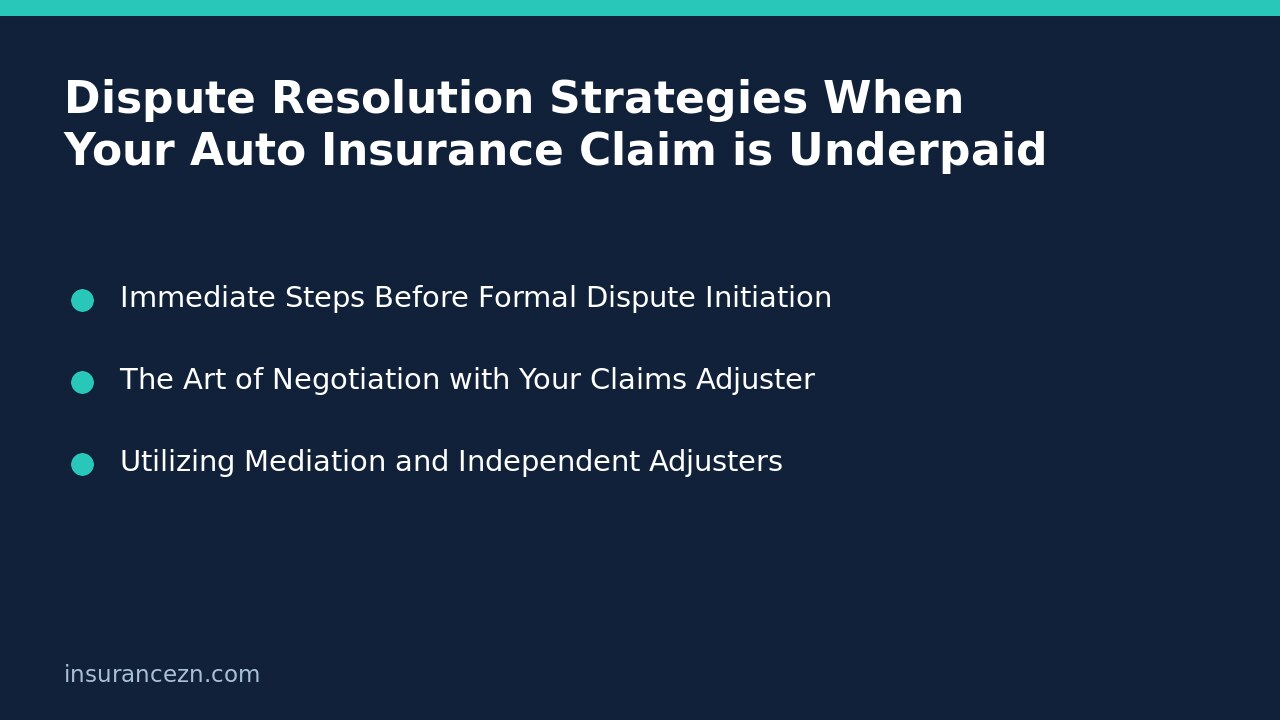
Immediate Steps Before Formal Dispute Initiation
Before escalating a claim dispute, it is crucial to gather evidence that directly contradicts the insurer’s assessment. Insurance companies often rely on generic damage estimates or specific repair shop recommendations that may not reflect the true cost of restoration. Start by obtaining an independent appraisal from a reputable mechanic or collision repair specialist who is not affiliated with the insurance company. This third-party expert can provide a detailed line-item estimate that highlights missing items, such as hidden structural damage, specialized parts, or labor costs for complex repairs like airbag replacement or frame straightening.
Simultaneously, review your policy documents carefully. Ensure you are disputing the claim based on the terms of your specific contract rather than general expectations. Check for coverage limits, deductibles, and any clauses related to “actual cash value” calculations. In many jurisdictions, insurers must use a formula that considers depreciation but also accounts for pre-accident condition and market fluctuations. If your policy includes agreed-value coverage or specific endorsements for certain vehicles, ensure these are being applied correctly. Gathering this documentation creates a strong foundation for negotiation before you ever pick up the phone to argue with an adjuster.
The Art of Negotiation with Your Claims Adjuster
The first line of defense is often direct communication with your assigned claims adjuster. Many disputes are resolved at this stage through a calm, evidence-based presentation of facts rather than emotion. When speaking with the adjuster, avoid making accusations; instead, focus on the discrepancies in their report versus your independent estimate. Present your mechanic’s detailed invoice and photos clearly showing the extent of the damage.
It is also important to understand that the initial offer is rarely the final one. Adjusters are authorized to counter-offer if they see valid new information. When negotiating, ask specifically how their valuation was derived. Request a breakdown of the parts list and labor hours they used. If they claim certain parts are “salvage” or unavailable, ask for proof of market availability. Sometimes, an insurer will offer to pay the difference if you agree to use a specific body shop network, but be wary of clauses that force you into using non-preferred vendors unless your policy mandates it. Keep all communication in writing whenever possible; email threads provide a paper trail that can be vital if the dispute escalates later.
Utilizing Mediation and Independent Adjusters
If direct negotiation stalls, the next logical step is to request an independent adjuster or mediation. Most states have programs where neutral third parties review claims without bias toward either the insurer or the policyholder. Your insurance company may agree to this, though they might try to delay it. In some cases, you can petition your state’s department of insurance to appoint an independent adjuster if the dispute remains unresolved after a certain period.
Mediation involves a neutral facilitator who helps both parties reach a voluntary agreement. Unlike arbitration or litigation, mediation is non-binding until an agreement is signed, allowing for more flexibility. During this process, you can present your case, including the cost of rental car expenses incurred while waiting for repairs and loss-of-use fees if applicable. This stage is often less adversarial than a lawsuit and can preserve your relationship with the insurer, which is beneficial should you need to file another claim in the future. Remember that mediation costs are sometimes shared or covered depending on state regulations and policy terms, so check your local laws regarding these expenses.
Filing a Formal Complaint with State Regulators
When informal resolution fails, filing a formal complaint with your state’s Department of Insurance (DOI) becomes a powerful lever. These regulatory bodies exist to protect consumers from unfair practices and have the authority to investigate claims handling disputes. While they cannot force an insurer to pay a specific amount immediately, they can mandate that the insurer review the claim again or submit to arbitration.
The process usually involves submitting a standardized complaint form detailing the timeline of events, the initial offer, your counter-evidence, and any correspondence with the adjuster. Attach copies of your independent estimates and photos. Be prepared to wait several weeks for an investigation, as regulators have high caseloads. However, the mere threat of a regulatory review often prompts insurers to reopen stalled claims or increase settlement offers to avoid regulatory scrutiny. This step is particularly effective against insurers known for aggressive underpayment tactics in specific regions.
Litigation and Small Claims Court Options
As a last resort, taking legal action may be necessary if all other avenues have been exhausted. The appropriate court depends on the amount of money involved. For disputes involving smaller sums, typically under $10,000 depending on the state, small claims court is an accessible option where you can represent yourself without hiring an attorney. These courts are designed for quick resolutions and lower costs.
For larger amounts or complex legal issues regarding policy interpretation, a private attorney specializing in insurance bad faith may be warranted. Note that suing your own insurer can sometimes impact future premiums or lead to exclusions in certain policies, so consult with a lawyer before proceeding. The goal of litigation is not just to win the current case but to establish that the insurer acted unreasonably. Courts often award additional damages for “bad faith” if the insurer knowingly underpaid a valid claim without reasonable cause. However, remember that every legal action carries potential risks, including increased premiums or difficulty obtaining coverage elsewhere, so weigh these factors carefully against the amount in dispute.
Real-World Example: The Hidden Frame Damage Case
Consider the case of Maria, who was involved in a rear-end collision where her sedan sustained visible bumper and tail light damage. Her insurer offered $2,500 based on surface-level assessments. Maria hired an independent mechanic who discovered that the subframe was bent, affecting vehicle alignment and safety systems, a fact not captured in the initial inspection. The mechanic provided a detailed report showing that repairing the subframe required specialized welding and parts costing an additional $3,000. Armed with this evidence, Maria negotiated with her adjuster, presenting the mechanic’s line-item breakdown. The insurer acknowledged the oversight and increased the offer to $5,800 after realizing the structural implications. This example illustrates why professional independent assessments are critical; they reveal hidden damages that generic algorithms miss, turning a potential loss into a recoverable expense.
Final Checklist for Claim Disputes
To ensure you do not miss critical details during a dispute, use this concise checklist:
* Document Everything: Save all emails, letters, and notes from phone calls with dates and times.
* Gather Evidence: Collect photos of damage, police reports, and rental car receipts.
* Obtain Independent Estimates: Get at least two detailed quotes from unrelated repair shops.
* Review Policy Language: Confirm coverage limits and definitions of “actual cash value” in your contract.
* Set Deadlines: Note the statute of limitations for filing complaints or lawsuits in your jurisdiction.
* Maintain Professionalism: Keep interactions respectful but firm; avoid admitting fault or accepting partial payments prematurely.
Resolving an underpaid auto insurance claim requires patience, preparation, and a clear understanding of your rights. By following these strategies, you can often achieve a fair settlement without resorting to costly legal battles. Always remember that terms, availability, eligibility, laws, and prices depend on the specific insurer, policy, and jurisdiction; this information is for educational purposes only and does not constitute individualized financial or legal advice.