
Receiving a letter stating that your health insurance claim has been denied is often the most stressful moment in managing healthcare finances. It feels like a sudden roadblock after you have already navigated the complexity of finding care, paying upfront costs, and hoping for coverage. However, a denial does not necessarily mean the end of the road; it simply signals that the initial review by the insurer was unsuccessful. Understanding the specific stages of this process is critical because the actions you take immediately after receiving a denial letter can determine whether the final outcome is an upheld rejection or a successful reversal.
When an insurance company denies a claim, they are essentially stating that they do not believe the service provided is covered under your specific policy plan or that the provider did not meet the requirements for payment. This decision is rarely arbitrary; it usually stems from issues such as missing pre-authorization, out-of-network care, experimental treatments, or administrative errors. The claims process for denials follows a structured path involving an initial determination, the issuance of an Explanation of Benefits (EOB), and subsequent opportunities for appeal. Navigating this path requires patience, documentation, and a clear understanding of your rights under federal and state laws.
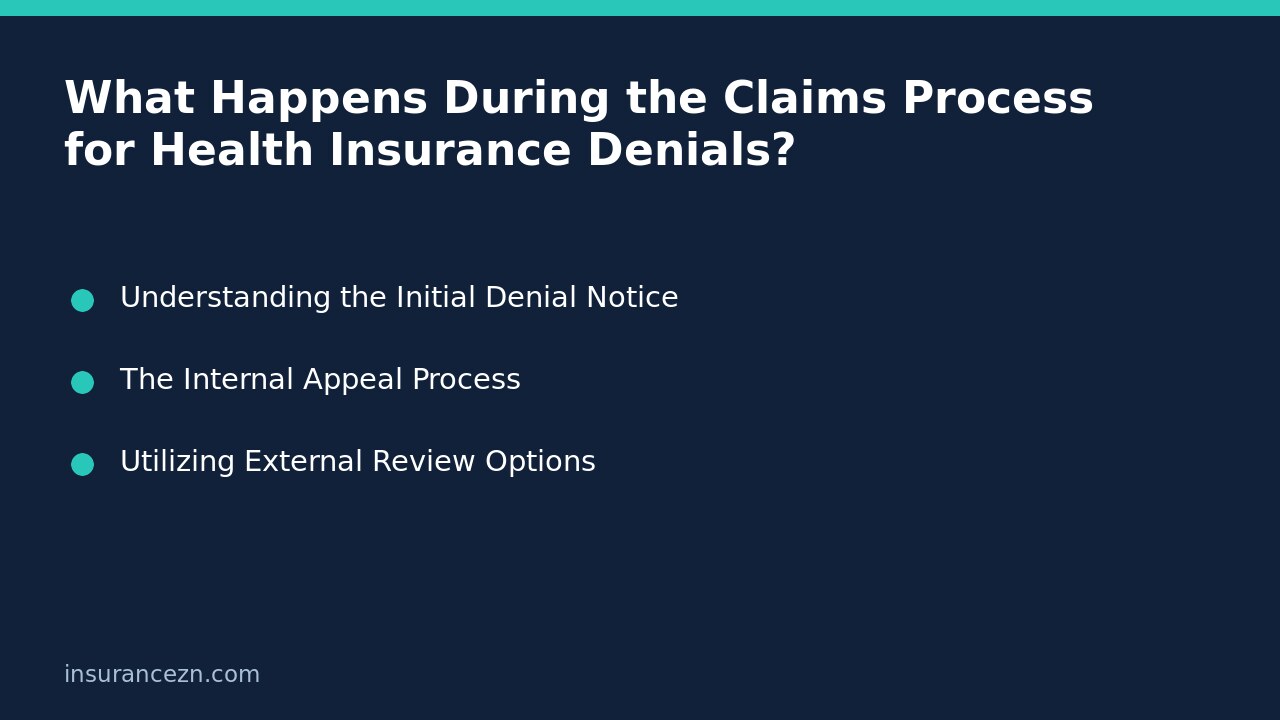
Understanding the Initial Denial Notice
The first step in the denial process is the receipt of the official notification. Under federal regulations in the United States, health insurers are required to provide an Explanation of Benefits (EOB) or a similar notice when a claim is denied. This document is not just a rejection letter; it is a legal requirement that explains why the claim was rejected.
Common reasons cited on these notices include:
* Lack of Medical Necessity: The insurer argues that the treatment was not medically required based on their internal clinical guidelines.
* Pre-authorization Requirements: Services were rendered without obtaining prior approval from the insurance company, which is often mandatory for expensive procedures like surgeries or MRI scans.
* Out-of-Network Provider: The doctor or facility did not have a contract with your specific insurance plan, triggering different payment rules or exclusions.
* Coding Errors: There was a mistake in how the medical procedure or diagnosis was coded, leading to an incorrect classification of the service.
It is vital to read this notice carefully. Do not ignore it or assume you must accept the decision immediately. The EOB will specify the exact deadline for filing an appeal, which varies by plan and state law but is often as short as 180 days from the date of the notice. Missing this deadline can result in the loss of your right to contest the denial permanently.
The Internal Appeal Process
Once you have reviewed the denial notice and gathered your initial documentation, the next phase is the internal appeal. This is your first opportunity to challenge the insurer’s decision with their own review team. An internal appeal allows a different claims examiner or a specialized medical review committee to look at your case again, often with fresh eyes and new information you provide.
To succeed in an internal appeal, you must submit a formal request within the timeframe specified on your denial letter. This request should include:
* A copy of the original denial notice.
* Your policy number and member ID.
* Supporting medical records from your doctor that refute the insurer’s claim of “lack of medical necessity.”
* Any relevant clinical guidelines or peer-reviewed studies that support the standard of care for your condition.
For example, if a mental health provider is denied coverage because the insurer claims the therapy sessions are not medically necessary, you can submit records showing the patient’s progress notes, the severity of their symptoms as documented by the psychiatrist, and evidence that this specific type of therapy is a recognized treatment method for that condition. The internal appeal process typically takes 30 to 60 days, though urgent cases involving ongoing care may be expedited to a decision within 72 hours.
Utilizing External Review Options
If the internal appeal is unsuccessful, you generally have the right to request an external review. This is a critical step where an independent, third-party organization reviews your case outside of the insurance company’s influence. These organizations are licensed by state regulators or federal agencies and operate under strict guidelines to ensure impartiality.
Not all plans require an external review, but most group health plans and individual market plans purchased through the Health Insurance Marketplace offer this option. The process usually begins with a written request to the insurer, who must then forward your case to the external review organization. This reviewer has the authority to order additional testing or seek outside medical opinions if necessary. If the external reviewer agrees that the denial was incorrect, they will instruct the insurance company to pay the claim. Even if the external review upholds the denial, you may still be able to negotiate a payment plan or seek assistance from state consumer assistance programs.
State-Specific Regulations and Consumer Protections
While federal laws like the Affordable Care Act (ACA) set baseline protections, state laws often provide additional layers of defense against insurance denials. Some states have enacted “fair claims practices acts” that impose stricter timelines for review and appeal than federal standards. For instance, certain states mandate that insurers must offer coverage for specific services regardless of whether they are considered experimental by the insurer, provided there is a reasonable expectation of benefit to the patient.
Navigating these state-specific regulations requires checking with your local Department of Insurance or a licensed insurance agent. In some jurisdictions, you can file a complaint directly with the state regulator if you believe the insurer acted in bad faith. These regulators have the power to investigate complaints and potentially mediate settlements between the consumer and the insurer. Understanding your state’s specific laws can be the difference between a prolonged battle and a quicker resolution.
The Role of Patient Advocacy and Legal Recourse
If administrative appeals fail, the final stage involves seeking external help through patient advocacy organizations or legal counsel. Non-profit organizations often provide free guidance on navigating the appeals process, helping you draft letters to insurers, and connecting you with resources for financial assistance. They can also help identify if your denial violates specific provisions of your policy or federal law.
In cases where an insurer refuses to pay a claim that should have been covered under the terms of the policy, legal recourse may be necessary. While hiring a lawyer is not always required, complex cases involving large sums or significant medical bills may benefit from legal representation. Additionally, some states offer state-funded legal aid programs for low-income individuals facing insurance disputes. It is important to note that seeking legal advice does not guarantee a win, but it ensures that your rights are fully understood and asserted according to the law.
Practical Checklist for Handling Denials
- [ ] Read the denial notice thoroughly and note the appeal deadline.
- [ ] Gather all medical records, billing statements, and correspondence.
- [ ] Draft a clear, concise letter of appeal citing policy language and medical evidence.
- [ ] Submit the appeal via certified mail to ensure proof of delivery.
- [ ] Follow up regularly with the insurer for status updates.
- [ ] If denied internally, immediately request an external review.
- [ ] Contact your state insurance department if deadlines are missed or rights are violated.
Conclusion
The claims process for health insurance denials is a multi-step journey that requires vigilance and persistence. It begins with understanding the specific reason for the rejection outlined in your Explanation of Benefits and moves through internal appeals, external reviews, and potentially legal action. While the prospect of a denied claim is daunting, the system is designed to provide consumers with multiple avenues for correction. By staying organized, meeting all deadlines, and utilizing available resources, many policyholders can successfully overturn denials and secure the coverage they need. Remember that every denial letter contains a roadmap to resolution; your job is to follow it carefully and advocate firmly for your healthcare needs.