
Receiving a denial letter from your health insurance provider is one of the most stressful experiences a patient can face. It often leaves you wondering why coverage was rejected and, more urgently, how to get the necessary care or reimbursement. The good news is that many denials are not final decisions; they are initial determinations that can be overturned through the appeals process. Understanding how to file an appeal is critical because insurance companies frequently reverse their initial stance when presented with new evidence or a clear explanation of medical necessity. This guide walks you through the specific steps to challenge a denial, ensuring you do not miss vital deadlines and gather the right documentation to support your case.
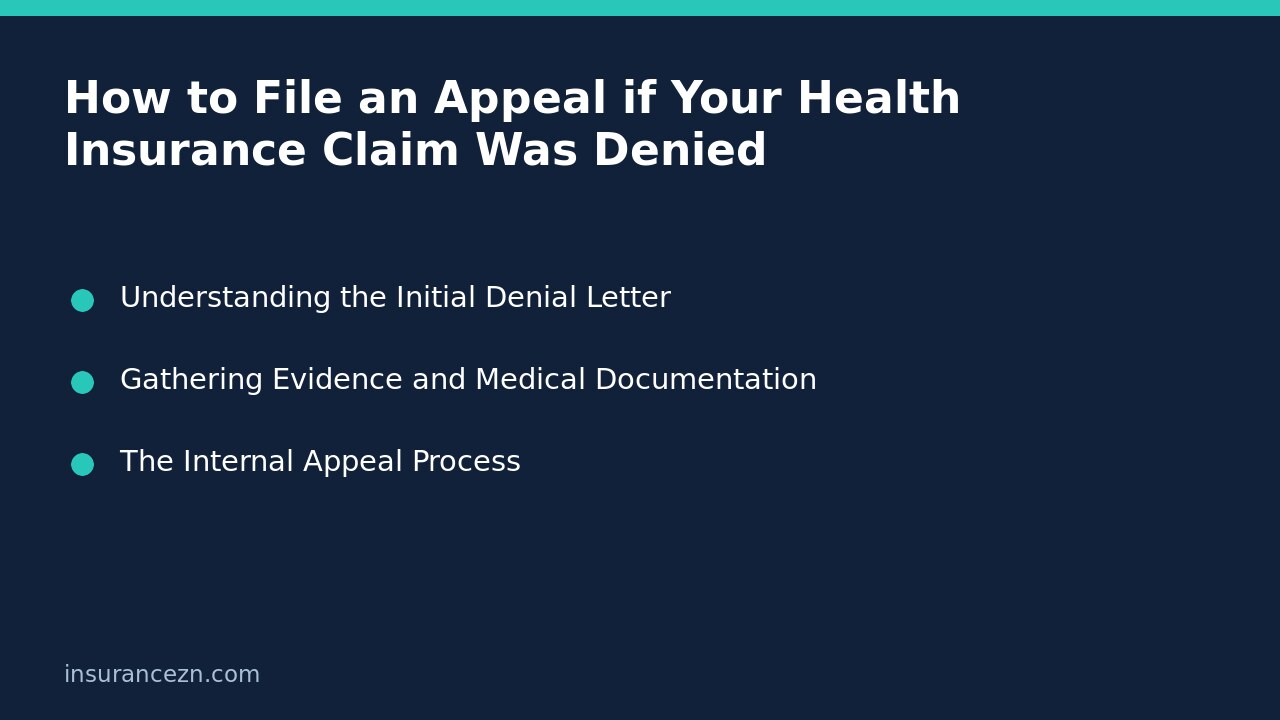
Understanding the Initial Denial Letter
Before taking action, it is essential to read the denial letter carefully. These documents are legal notices that contain specific codes explaining why the claim was rejected. Common reasons for denial include “pre-existing condition exclusions,” “lack of medical necessity,” or “administrative errors” such as missing signatures or incorrect member IDs. The letter will also specify the type of appeal you can file. In many jurisdictions, particularly under the Affordable Care Act (ACA) in the United States, there are two main levels of review: an internal appeal handled by the insurance company and an external appeal handled by an independent third party or state regulator.
It is crucial to note that the timeline for these appeals is strict. Most plans require you to file an initial appeal within 180 days of receiving the denial, though some states allow up to two years if there are special circumstances like a terminal illness diagnosis. Missing this deadline can result in the loss of your right to appeal. Always write down the date you received the letter and check for any specific instructions regarding fax numbers, mailing addresses, or online portals mentioned in the document.
Gathering Evidence and Medical Documentation
The success of your appeal often hinges on the quality of the evidence you submit. Insurance companies deny claims based on pre-existing data; to overturn this, you must provide new information that demonstrates medical necessity. Start by contacting your healthcare provider to request all relevant records, including clinical notes, test results, imaging reports, and letters of medical necessity from your treating physician.
Do not rely solely on the standard claim form included in the denial letter. Your doctor may need to write a detailed letter explaining why the procedure or medication is essential for your specific condition. For example, if a plan denies coverage for a specific brand-name drug due to cost, your pharmacist and doctor can submit documentation showing that generic alternatives are ineffective for you due to a rare allergy or genetic factor. Ensure that all documents clearly reference the date of the denial letter and the specific claim number. If the denial was based on an administrative error, such as a mismatched ID, a simple correction form signed by your provider may be sufficient to resolve the issue immediately.
The Internal Appeal Process
The first step in the appeals process is usually an internal appeal. This involves submitting your packet of evidence directly to the insurance company’s member services department or appeals unit. You can often initiate this process online through the insurer’s portal, by fax, or via certified mail. When filing, ensure you include a copy of the denial letter, the original claim form, and your new supporting documents.
Be prepared for a timeline that can take several weeks. The insurance company is legally required to respond within a specific timeframe, often 30 days for standard appeals, though this varies by state and plan type. During this waiting period, if you need urgent care, contact the insurer’s emergency services line. They may authorize temporary coverage while they review your case, known as an “interim review.” If the internal appeal is denied, you will receive another letter explaining the reasons and informing you of your right to proceed to the next level: the external appeal.
Requesting an External Review
If the internal appeal fails, you have the right to request an external review. This is a critical step where an independent organization, not affiliated with the insurance company or the healthcare provider, evaluates your case. These organizations are trained in insurance policies and medical standards and often make decisions that favor the consumer when new evidence is presented. To request an external review, you must usually submit a formal application within 42 days of receiving the denial of the internal appeal.
The process varies by state, so check your specific plan documents or visit your state’s department of insurance website for the correct forms and procedures. In some cases, the external reviewer may grant a “continuation of coverage” while they review your claim, ensuring you do not have to pay out-of-pocket for essential services during the review period. This step is particularly powerful because independent reviewers are not bound by the same internal guidelines that often lead to initial denials.
Common Mistakes to Avoid During Appeals
Even with a strong case, procedural errors can jeopardize your appeal. A frequent mistake is failing to follow the specific instructions in the denial letter regarding where to send documents or which form to use. Another common error is not keeping copies of everything you submit. Always keep a detailed log of every phone call you make, including the date, time, name of the representative, and the summary of the conversation. If a representative says they will look into your case, follow up in writing to confirm that action was taken.
Additionally, avoid relying on verbal promises from customer service agents. Insurance policies are contracts, and only written approvals or denials hold legal weight. If an agent tells you verbally that a claim is covered, ask for this assurance in writing before proceeding with treatment. Never stop taking prescribed medication or attending necessary appointments solely because of a denial without securing interim coverage or filing an urgent appeal, as gaps in care can harm your health and complicate your case.
Real-World Example: The Administrative Error Case
Consider the case of Mark, who received a denial for a routine MRI scan required to diagnose a potential tumor. The insurance company cited “lack of medical necessity” in their letter. Mark immediately contacted his doctor, who provided a detailed report linking the symptoms directly to the need for imaging and citing guidelines from the American College of Radiology. Mark also found a similar case study online showing that the insurer had previously approved MRIs for identical conditions.
Mark filed an internal appeal with the doctor’s letter and a copy of the clinical guidelines. Within ten days, the insurance company reversed their decision, noting that their initial review missed the specific diagnostic criteria. This example highlights that many denials stem from oversight rather than malicious intent. By providing clear, evidence-based documentation, you can often correct these errors quickly. Always assume that an administrative error may have occurred and approach your appeal with organized, factual support.
Conclusion
Filing an appeal for a denied health insurance claim is a structured process that requires patience, organization, and adherence to strict timelines. By understanding the reasons for denial, gathering robust medical evidence, and following both internal and external appeal procedures, you significantly increase your chances of overturning a rejection. Remember that the burden of proof often shifts to the insurer once you provide new, relevant information. Stay proactive, keep detailed records, and do not hesitate to seek assistance from patient advocacy groups if the process becomes overwhelming. With the right approach, many denied claims are successfully reinstated, ensuring access to the care you need.