
Slipping on a wet floor, tripping over an unmarked curb, or falling from icy stairs can happen in an instant, yet the aftermath often involves a complex web of legal and medical challenges. When a slip-and-fall incident occurs on someone else’s property, you may have grounds to file a personal injury claim for compensation covering medical bills, lost wages, and pain and suffering. However, navigating this process requires immediate action, meticulous documentation, and a clear understanding of your rights under local tort laws. The success of your claim often depends less on the severity of the injury alone and more on proving that the property owner knew or should have known about the hazardous condition. This guide outlines the critical steps to protect your interests immediately following an accident and explains how to build a strong case against negligence.
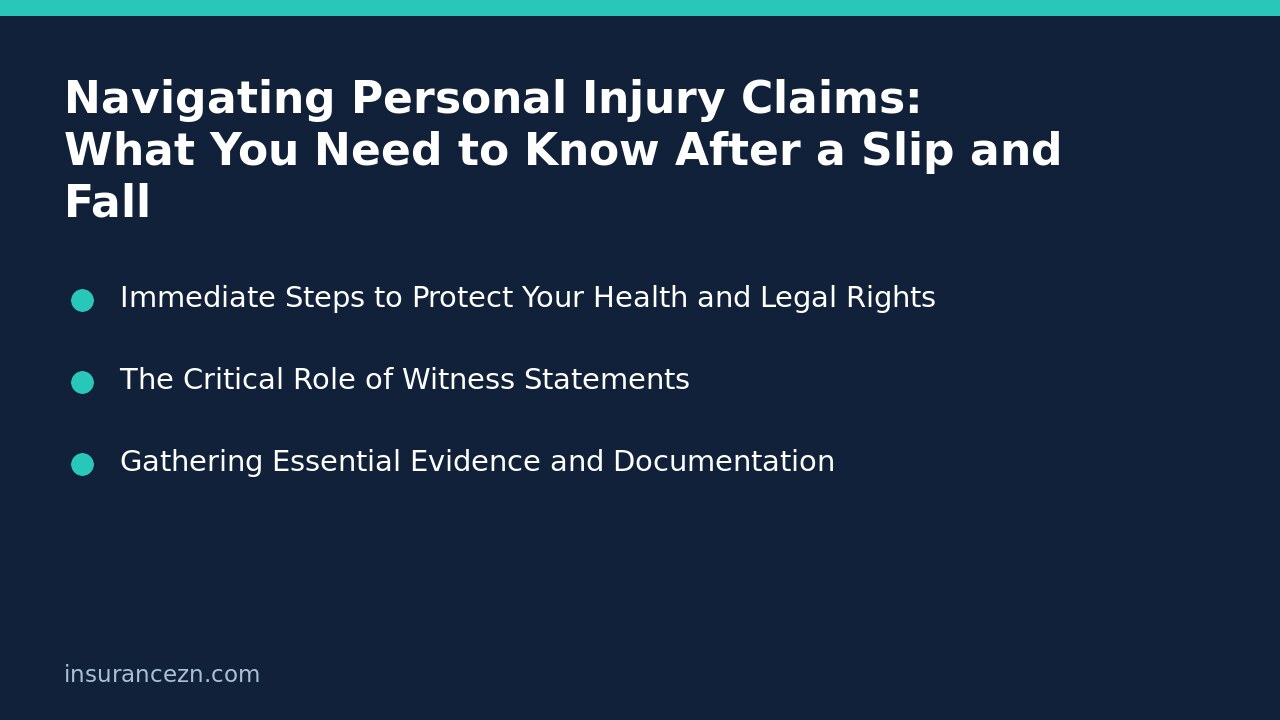
Immediate Steps to Protect Your Health and Legal Rights
The moments following a fall are crucial for both your physical recovery and your potential legal claim. Many individuals instinctively apologize or admit fault before they realize what has happened, which can inadvertently undermine their ability to seek compensation later. It is vital to remain calm and focus on safety first. Call emergency services if you have not already done so, even if you feel fine; internal injuries like concussions or fractures may not present symptoms immediately.
Once your health is stabilized, document the scene while it is still fresh. If possible, take photographs of the exact location where you fell, including any wet patches, debris, poor lighting, ice, or uneven surfaces. Capture wide shots that show context, such as nearby handrails, warning signs, or lack thereof. Do not disturb the scene unnecessarily, but ensure you have visual evidence before maintenance crews clean up the spill or repair the damage.
The Critical Role of Witness Statements
Eyewitness testimony can be a decisive factor in establishing liability. If someone saw the accident happen, their statement can corroborate your version of events and contradict claims that you were careless or running. Approach witnesses politely and ask if they are willing to provide a written statement or speak with an attorney later. Record their contact information immediately, as memories fade quickly, and witnesses may become less available over time.
However, do not rely solely on witnesses. In many slip-and-fall cases, the property owner may argue that you were distracted by your phone or wearing inappropriate footwear. Witness accounts can help counter these assertions by describing your demeanor and actions at the moment of the fall. If no witnesses are present, your own documentation becomes even more essential to prove that the hazard existed prior to your arrival.
Gathering Essential Evidence and Documentation
Building a robust evidence file is the backbone of any successful personal injury claim. Start by seeking medical attention promptly, regardless of how minor the injury seems. Medical records serve as official proof that your injuries resulted from the accident and provide a timeline for treatment costs. Without timely medical evaluation, insurers may argue that your condition was pre-existing or unrelated to the fall.
In addition to medical bills, gather all relevant documentation including police reports if law enforcement responded, incident reports filed by the property manager, and photographs of your injuries. Keep a journal detailing your daily struggles, missed workdays, and emotional distress caused by the injury. This personal account can significantly enhance a claim for non-economic damages like pain and suffering. Store all receipts related to medical devices, transportation to appointments, and over-the-counter medications in a dedicated folder.
Understanding Premises Liability and Duty of Care
To succeed in a slip-and-fall lawsuit, you must demonstrate that the property owner breached their duty of care. Property owners have a legal obligation to maintain safe premises for visitors, which includes regularly inspecting for hazards and addressing known dangers within a reasonable timeframe. For instance, if a store owner knew about a leaking floor for weeks but failed to place warning signs or clean it up, they are likely liable even if you slipped on the first visit.
The concept of “actual notice” versus “constructive notice” is often debated in court. Actual notice means the owner knew about the hazard through reports or inspections. Constructive notice implies that the hazard existed long enough that a reasonable person would have discovered and fixed it. Evidence such as maintenance logs, cleaning schedules, or prior similar accidents can help prove constructive notice. Conversely, if you were trespassing on private property or engaged in illegal activity at the time of the fall, your ability to recover damages may be severely limited or barred entirely.
Common Mistakes That Can Sabotage Your Claim
Many people unknowingly make errors that weaken their claims before they even contact an attorney. One frequent mistake is posting about the accident on social media. Insurance companies routinely monitor social platforms for evidence contradicting injury claims; posts showing you hiking, playing sports, or smiling can be used to dispute your allegations of pain and suffering. Avoid discussing the incident online until your case is resolved.
Another pitfall is accepting a quick settlement offer from an insurance adjuster without legal counsel. These initial offers often fall far short of covering long-term medical needs and lost earning potential. Never sign any release forms or recorded statements without reviewing them with a qualified personal injury lawyer who can negotiate fair terms on your behalf. Additionally, avoid admitting fault at the scene, even if you believe you might have contributed slightly to the accident; comparative negligence laws vary by jurisdiction and could reduce but not necessarily eliminate your recovery.
Real-World Example: The Grocery Store Spill Scenario
Consider a scenario where a shopper slips on a puddle of water in a grocery store aisle. The shopper immediately calls 911, takes photos of the wet floor and missing “Wet Floor” sign, and speaks to two customers who witnessed the incident. They visit the emergency room within hours, receive an X-ray showing a hairline fracture, and keep detailed records of missed work and physical therapy sessions. Two weeks later, they hire an attorney who requests the store’s cleaning logs, which reveal that the area had not been inspected in over three days despite high foot traffic. With this evidence, the shopper negotiates a settlement covering medical expenses, lost wages, and compensation for ongoing discomfort. This example highlights how proactive documentation and legal representation transform a simple accident into a viable claim.
Final Checklist Before Contacting an Attorney
Before reaching out to a lawyer or insurance company, run through this quick checklist:
– [ ] Seek immediate medical attention and obtain all records.
– [ ] Photograph the hazard and surrounding area thoroughly.
– [ ] Collect contact information from any witnesses.
– [ ] Refrain from posting about the incident on social media.
– [ ] Request an official incident report from the property manager.
– [ ] Keep a daily journal of your symptoms and limitations.
– [ ] Organize all financial documents related to the injury.
Conclusion
Filing a personal injury claim after a slip-and-fall accident is a demanding process that requires patience, organization, and strategic planning. By prioritizing your health, documenting every detail, understanding the legal principles of premises liability, and avoiding common pitfalls, you position yourself for a stronger outcome. Remember that each case is unique, and terms, availability, eligibility, laws, and prices depend on the specific insurer, policy, and jurisdiction involved. Always consult with a qualified attorney to explore your options without delay.