
Navigating the aftermath of an accident, theft, or property damage can feel overwhelming. One of the first decisions policyholders face is determining whether to log into their insurer’s portal and file a claim immediately or to reach out to their human agent first. While modern technology has made self-service claims filing incredibly convenient for minor incidents, there are specific scenarios where contacting an insurance agent provides critical value that automated systems cannot match. Understanding the distinction between these two actions can prevent policy cancellations, protect your premium rates, and ensure you receive the full scope of coverage you paid for.
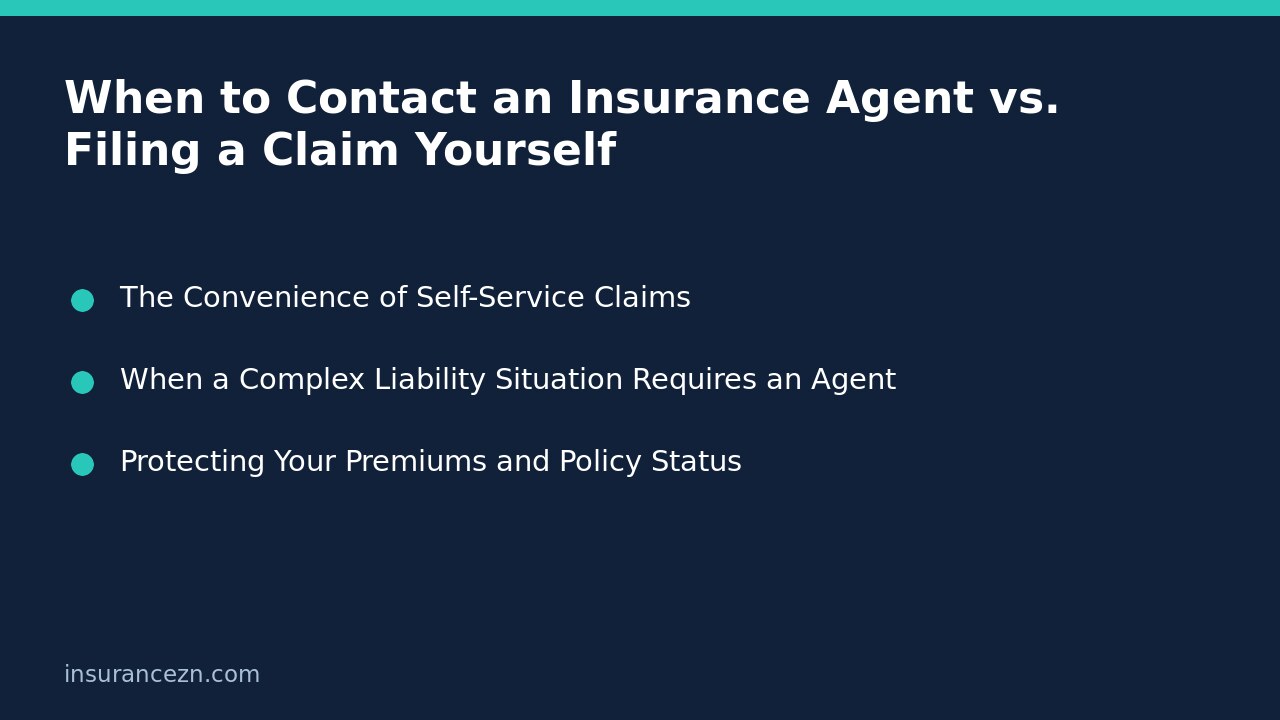
The Convenience of Self-Service Claims
For straightforward, low-severity incidents, filing a claim yourself is often the most efficient path. Insurers have invested heavily in mobile apps and online portals that allow users to upload photos of damage, fill out standardized forms, and receive status updates in real-time. This process is designed for speed and convenience, typically handling issues like minor fender-benders with minimal paint damage, small water leaks discovered early, or thefts of low-value items where the claim amount falls well below your deductible.
When you file a claim yourself, you are essentially acting as the initial adjuster by providing the facts directly to the system. This is ideal when the cause of the incident is clear, the damage is easily quantifiable, and there are no disputes regarding liability. In these cases, waiting for an agent to review the situation adds unnecessary delay without offering significant benefits. The primary advantage here is speed; automated systems can often approve small claims within 24 to 48 hours, allowing you to get back on your feet faster.
When a Complex Liability Situation Requires an Agent
The dynamic shifts dramatically when liability becomes unclear or disputed. If you are involved in a car accident where fault is contested, or if a third party is blaming you for damage that may not be fully covered under your policy’s terms, filing a claim yourself can be risky. In these scenarios, an insurance agent serves as a vital advocate who can navigate the nuances of liability laws and policy language.
For example, consider a situation where a pedestrian sues you for injuries sustained in a parking lot incident. While your auto policy might cover bodily injury liability, the specific circumstances—such as whether you were distracted or if the location was a private driveway versus a public road—could alter how the claim is handled. An agent can help you understand whether this incident should be filed as a standard claim or if it requires special reporting to avoid potential coverage denials later. They can also advise on whether you need to hire your own legal counsel before the insurer gets involved, which is a crucial step in many jurisdictions if an agent does not intervene early enough.
Protecting Your Premiums and Policy Status
One of the most significant reasons to contact an agent before filing any claim is the potential impact on your insurance premiums and policy status. Insurance companies track claims history meticulously, often using third-party data aggregators that can flag even minor incidents. Filing a claim for a small issue, such as a cracked windshield or a minor scratch, might seem harmless, but if it triggers a “claims frequency” threshold, it could lead to a rate increase at your next renewal.
Agents possess the expertise to analyze whether an incident truly warrants a claim or if it might be better handled through other means, such as using your collision deductible waiver or negotiating a repair directly with the at-fault party’s insurance. They can also explain how different types of claims affect your specific policy. For instance, some policies have limits on the number of small claims you can file within a certain period before facing non-renewal. An agent can review your history and suggest strategies to avoid crossing these thresholds, ensuring long-term stability for your coverage.
Handling Claims Involving Business or Commercial Policies
Commercial insurance policies operate under different rules than personal auto or home policies. If you own a business, filing a claim yourself for property damage, cyber incidents, or liability issues involving employees can be fraught with complications. A commercial policy often includes specific conditions regarding reporting timelines and documentation requirements that are stricter than those for personal lines.
For example, if your business suffers a data breach, the immediate steps required to mitigate the loss and notify stakeholders must align precisely with your cyber liability policy terms. An agent familiar with your specific commercial contract can guide you through the notification process, ensuring that you do not inadvertently void coverage by missing a deadline or failing to document the incident correctly in a way an automated form cannot capture. Additionally, agents can help coordinate with specialized adjusters who understand industry-specific risks, such as supply chain interruptions or professional liability issues.
Navigating Policy Exclusions and Coverage Gaps
No insurance policy provides 100% coverage for every conceivable event; there are always exclusions based on location, cause, or timing. Filing a claim without understanding these exclusions can result in a complete denial of benefits. Agents act as interpreters of complex policy documents, helping you understand what is covered and what is not before you commit to the claims process.
Consider a scenario where your home suffers damage during a storm. If your policy has specific exclusions for certain types of flooding or wind events in your zip code, an automated claim filing might proceed only to be denied later when the adjuster reviews the policy terms. An agent can review your declarations page and endorsements to confirm that the event is covered before you file. They can also suggest additional riders or endorsements if you frequently encounter gaps in coverage, turning a potential loss into a manageable expense through proactive planning rather than reactive claims filing.
Real-World Checklist: Agent vs. Self-Filing
To help you decide quickly, use this practical checklist the next time an incident occurs:
- Damage Estimate: If the estimated repair cost is less than 50% of your deductible, contact your agent to discuss alternative repair options or if it makes sense to pay out-of-pocket.
- Liability Clarity: If fault is unclear or someone else is injured, call your agent immediately to strategize on liability defense.
- Policy Review Needed: If you are unsure about a specific exclusion (e.g., “flood” vs. “water damage”), ask your agent for clarification before filing.
- Commercial Involvement: If employees, business property, or commercial vehicles are involved, always consult your agent first.
- Frequency Check: Review your past claims history with an agent to ensure this incident won’t trigger a premium hike or policy cancellation.
Conclusion
While self-service claim filing offers undeniable convenience for minor, straightforward incidents, there is immense value in contacting your insurance agent when complexity, liability disputes, or potential coverage gaps are involved. Agents provide personalized guidance that protects your financial interests, helps you understand the fine print of your policy, and advocates for you during difficult negotiations with third parties. By knowing when to utilize technology and when to seek human expertise, you can navigate the claims process more effectively, safeguarding your assets and ensuring peace of mind. Remember that terms, availability, eligibility, laws, and prices depend on the insurer, policy, and jurisdiction; always verify specific details with your provider before making final decisions.