
Navigating the landscape of health insurance can feel like trying to solve a complex puzzle while blindfolded. The sheer volume of plans, networks, and cost structures often leads to decision fatigue. However, modern digital platforms have evolved into sophisticated engines designed to streamline this process. By leveraging online comparison tools effectively, you can view multiple quotes side-by-side without needing to log into ten different provider portals. This guide outlines a strategic approach to using these tools simultaneously, ensuring you find coverage that balances premium costs with network adequacy and out-of-pocket limits.
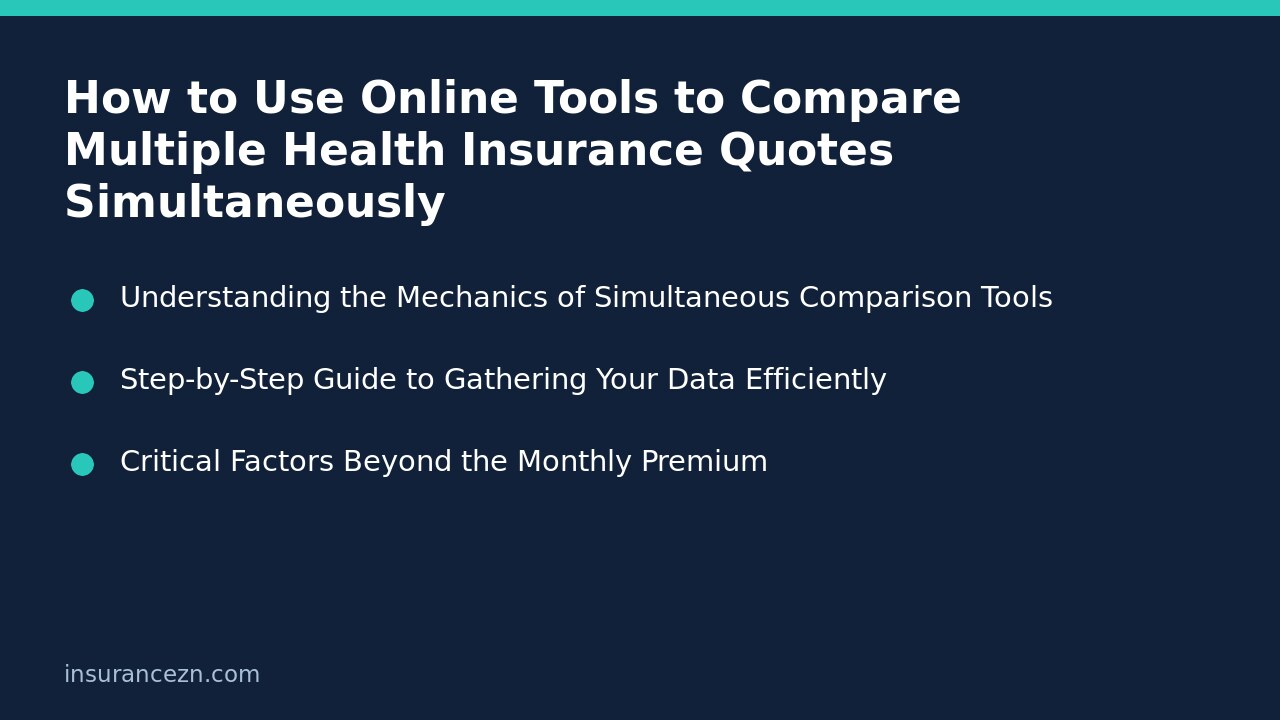
Understanding the Mechanics of Simultaneous Comparison Tools
Most modern health insurance marketplaces and aggregator websites function as neutral third parties or direct aggregators for multiple carriers. These platforms pull data from various insurers in real-time, presenting a unified dashboard. When you use these tools simultaneously, you are essentially running parallel searches where your specific demographic data (age, location, tobacco status) is applied to every available plan instantly.
The key advantage of simultaneous comparison lies in the ability to isolate variables. Instead of manually calculating monthly premiums for Plan A on Insurer X and then doing the same for Plan B on Insurer Y, the tool handles the math. This eliminates human error and ensures that you are comparing “apples to apples.” For instance, a user might see that one plan has a lower monthly premium but a significantly higher deductible, while another offers a balanced approach. Seeing these distinctions clearly allows for immediate elimination of plans that do not fit your financial profile or medical needs.
Step-by-Step Guide to Gathering Your Data Efficiently
To get the most accurate results from online comparison tools, preparation is paramount. Before you launch into the comparison phase, gather the following essential information:
* Zip Code: Insurance availability and pricing are heavily dependent on your geographic location due to state regulations and local hospital networks.
* Household Composition: List everyone who will be covered, including dependents or spouses.
* Tobacco Use Status: This is a critical rating factor in many jurisdictions and affects premium calculations.
* Expected Medical Needs: Consider if you anticipate major surgeries, ongoing mental health care, or chronic condition management.
Once your data is ready, visit reputable comparison platforms. Enter your information once, and the system will generate a matrix of available plans. Look for features that allow you to sort by “Total Estimated Cost” rather than just the monthly premium. Some advanced tools even project out-of-pocket maximums based on your specific usage patterns.
Critical Factors Beyond the Monthly Premium
The most common pitfall in using online comparison tools is fixating solely on the lowest monthly premium. While a lower upfront cost is attractive, it often comes with hidden traps that can devastate your finances if you need care. When viewing multiple quotes simultaneously, pay close attention to the deductible, copay structure, and out-of-pocket maximum.
For example, two plans might show a $150 monthly premium difference. However, Plan A might have a $1,000 deductible while Plan B has a $2,500 deductible. If you visit the doctor twice a month for check-ups, Plan A could end up costing you far less annually than Plan B once your deductible is met. Online tools often provide “total cost calculators” that estimate annual expenses based on standard usage scenarios. Always verify whether the quoted premium includes prescription drug coverage or if that is an add-on that significantly alters the price.
Evaluating Provider Networks and Drug Formularies
A quote is only useful if you can actually see your doctors and fill your prescriptions within the plan’s network. Online comparison tools should allow you to cross-reference your current healthcare providers against the insurer’s directory before you commit. Many platforms now offer a “find a doctor” feature directly on the quote page.
Similarly, drug formularies vary wildly between carriers. A medication that is covered at 100% under one plan might be a generic-only tier or even non-covered under another. When comparing quotes simultaneously, download or screenshot the formulary lists for the top contenders. Look specifically for your essential medications and check their tiers. It is also wise to verify if your preferred specialists are “in-network” for each plan displayed on your screen. If a tool shows a great price but excludes your primary care physician, that quote may be misleading.
Common Mistakes to Avoid When Using Aggregators
Even with powerful tools, users frequently make errors that skew their results. One major mistake is entering outdated information. Insurance algorithms are sensitive; if you list yourself as a non-smoker when you actually use nicotine products, your premium will be underwritten incorrectly, potentially leading to claim denials later. Another error is ignoring the “waiting period” for pre-existing conditions or specific treatments like fertility services, which may not be covered until a certain time has passed.
Additionally, do not assume that a quote shown on a third-party site is final. Some states require insurers to verify income or provide additional documentation before issuing a policy. Always read the fine print regarding “guaranteed issue” laws in your state versus underwriting-based plans. Never finalize a purchase based solely on the initial quote without reviewing the full policy document for exclusions and limitations.
Real-World Example: The Balanced Approach Scenario
Imagine a user named Sarah, who lives in California and needs coverage for herself and her teenage daughter. She visits an online comparison tool and enters their details. The dashboard presents three distinct options:
1. Plan A: Low monthly premium ($450), high deductible ($3,000), limited network.
2. Plan B: Moderate monthly premium ($600), moderate deductible ($1,500), comprehensive network including Sarah’s dermatologist.
3. Plan C: High monthly premium ($850), low deductible ($500), includes dental and vision.
Sarah notices that Plan A is cheapest but her daughter’s orthodontist is not in the network. She dismisses Plan A immediately. Between Plan B and Plan C, she calculates that she expects two surgeries this year. Using the tool’s calculator, she sees that Plan C saves her $1,200 out-of-pocket compared to Plan B because of the lower deductible and higher reimbursement rates for specialists. Despite the higher monthly bill, Plan C is the mathematically superior choice for her specific situation. This scenario highlights why simultaneous viewing allows for dynamic decision-making based on total cost rather than just sticker price.
Conclusion: Making an Informed Decision
Using online tools to compare health insurance quotes simultaneously transforms a daunting task into a manageable analytical process. By gathering accurate data, evaluating factors beyond the monthly premium, and rigorously checking network participation, you can secure coverage that truly fits your life. Remember that terms, availability, eligibility, laws, and prices depend entirely on the insurer, the specific policy chosen, and your jurisdiction. Always consult the official policy documents before signing up, as online summaries may not capture every nuance of the contract. With a disciplined approach to digital comparison, you can navigate the health insurance market with confidence and clarity.