
Finding the lowest cost life insurance policy requires more than just clicking “buy” on the first quote you see. Premiums are influenced by a complex web of personal factors, including age, health history, tobacco use, and even your occupation. Because underwriting criteria vary significantly between carriers, two people with identical profiles can receive vastly different quotes from different companies. To secure the most affordable coverage without sacrificing necessary benefits, you must adopt a strategic approach to shopping around. This guide walks you through the practical steps to compare rates effectively, understand what drives costs, and avoid common pitfalls that lead to overpaying for your protection.
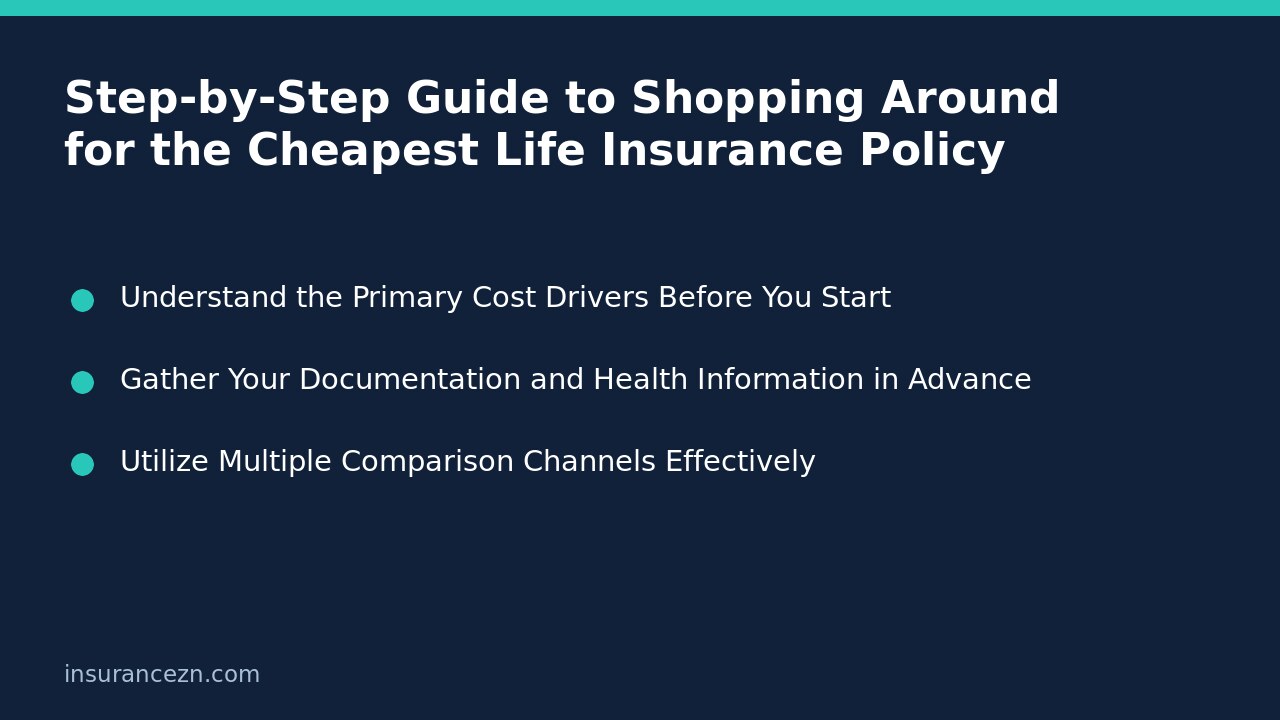
Understand the Primary Cost Drivers Before You Start
Before contacting insurance agents or online portals, it is crucial to know which factors insurers weigh most heavily. Your age is often the single biggest determinant; younger applicants generally pay significantly less than older ones. Health status is the next major factor, including body mass index (BMI), current medical conditions, and past hospitalizations. Insurers also scrutinize your family history of heart disease or cancer, as well as your tobacco use.
Your occupation and hobbies play a surprising role in pricing. High-risk jobs, such as logging or roofing, or dangerous hobbies like rock climbing or scuba diving, can increase premiums because they statistically correlate with higher mortality risks. Finally, the length of coverage matters. A 20-year term policy will naturally cost more than a 10-year term policy for the same death benefit amount. By understanding these variables, you can better evaluate quotes and explain any discrepancies to agents.
Gather Your Documentation and Health Information in Advance
One of the fastest ways to slow down your shopping process is waiting on medical exam results or missing documents. To streamline this, gather your recent tax returns if you plan to apply for guaranteed issue policies that require income verification, though this is less common for standard term life. More importantly, prepare a concise summary of your medical history. Have your current medications, the doctors who prescribed them, and dates of any major surgeries or hospitalizations ready.
If you have pre-existing conditions, know exactly how they are defined in policy exclusions. Some carriers may offer coverage but charge higher rates based on specific health metrics. Having this information organized allows you to answer underwriter questions quickly and accurately, reducing the chance of a delayed decision or a policy rescission later due to incomplete disclosure.
Utilize Multiple Comparison Channels Effectively
The most comprehensive way to shop is by using a combination of methods. Start with free online comparison tools that aggregate quotes from multiple carriers. These platforms allow you to input your data once and receive offers from several companies simultaneously. However, remember that these aggregators often feature “teaser” rates from select carriers that may have strict underwriting guidelines or limited coverage options.
Next, visit the websites of major national insurers directly. Many large carriers offer online-only discounts for applicants who skip using an agent. Compare their base rates with those found on aggregator sites. Finally, consult with independent licensed agents. Agents work for multiple insurance companies and can often access “preferred” rates or special products that are not listed on public comparison websites. They can also help you navigate the nuances of state-specific regulations that might affect pricing.
Analyze Policy Features That Impact Long-Term Value
The cheapest initial quote is not always the best deal if the policy lacks essential features or has hidden limitations. When comparing prices, look beyond the monthly premium. Examine the death benefit amount; ensure it meets your financial needs without over-insuring, which wastes money. Check for rider costs; adding accidental death riders or waiver of premium riders increases the price but may be necessary depending on your situation.
Also, consider the contestability period and exclusions. Some low-cost policies have longer contestability periods or specific exclusions that could deny claims under certain circumstances. A slightly higher premium from a carrier with a reputation for paying claims efficiently might offer better long-term value than the absolute lowest rate from a company with a poor claims history. Always read the fine print regarding renewal rates for term policies, as some carriers increase premiums drastically upon renewal if you do not convert to permanent coverage.
Avoid Common Mistakes That Inflate Your Premium
Many applicants inadvertently raise their costs or risk claim denial by making avoidable errors. One common mistake is failing to disclose non-medical information accurately, such as driving records in states where this impacts rates, or omitting details about past drug use. Another error is shopping only once; if you get a high quote from one carrier, do not assume that price is fixed forever. Revisit the market periodically, especially after significant life events like marriage, childbirth, or weight loss, as these can qualify you for lower rates.
Avoid buying coverage when you are stressed or in a hurry. Underwriters may view rushed applications with suspicion, and you might miss out on waiting for better health conditions to improve your profile. Additionally, do not settle for the first quote you receive without comparing it against others. The insurance market is competitive, and carriers often adjust their underwriting algorithms frequently, meaning today’s high quote could be tomorrow’s low one if you wait a few weeks.
Real-World Example: How Small Changes Save Money
Consider two applicants, Alice and Bob, both aged 35 with a $500,000 death benefit seeking a 20-year term policy. Alice smokes cigarettes but has perfect health otherwise. Bob does not smoke but has a slightly elevated BMI due to being overweight. When shopping around, Alice receives quotes ranging from $45 to $60 per month because her smoking status drastically increases her risk profile regardless of her other health metrics. Bob, however, receives quotes between $28 and $35 per month.
If Alice had not shopped around and simply taken the first offer she received at $60, she would have overpaid compared to what a non-smoking carrier might offer if she could prove she quit or applied as a smoker in a specific category. Conversely, if Bob had only checked one insurer that required a medical exam and charged extra for his BMI, he might have missed a no-exam policy from another carrier that priced him fairly based on age alone. By comparing multiple carriers, Alice could potentially find a carrier specializing in smokers who offers competitive rates, while Bob could lock in a rate that ignores his minor health deviation. This example illustrates why breadth of search is essential for finding the true cheapest option.
Conclusion and Actionable Checklist
Securing the cheapest life insurance policy is an active process that requires research, patience, and attention to detail. By understanding your cost drivers, preparing your documentation, utilizing various comparison channels, analyzing policy features carefully, and avoiding common mistakes, you can significantly reduce your premiums. Remember that terms, availability, eligibility, laws, and prices depend on the insurer, the specific policy chosen, and your jurisdiction. Always consult with a licensed professional for personalized guidance rather than relying solely on online estimates.
Quick Shopping Checklist:
* [ ] Calculate exactly how much coverage you need and for how long.
* [ ] Gather medical records and a list of current medications.
* [ ] Determine if you qualify for no-medical-exam policies.
* [ ] Get quotes from at least three different carriers using an online aggregator.
* [ ] Visit the websites of two major national insurers directly for additional rates.
* [ ] Contact one independent agent to compare their portfolio options.
* [ ] Review the fine print for exclusions and renewal guarantees before applying.
* [ ] Wait 14–30 days between applications if possible, as some carriers offer “rate locks” or improved underwriting guidelines periodically.