
When a storm knocks out your roof, a pipe bursts in your basement, or fire damages your storefront, the immediate priority is often safety and containment. However, the administrative process of securing financial recovery begins almost immediately after the event. For small business owners, navigating the claims process can feel overwhelming, especially when operations are halted. The difference between a smooth recovery and a prolonged financial struggle often lies in how quickly and accurately you document the loss and communicate with your insurer. This guide outlines the essential steps to file a commercial property damage claim effectively, ensuring you protect your assets and expedite the reimbursement needed to get back on your feet.
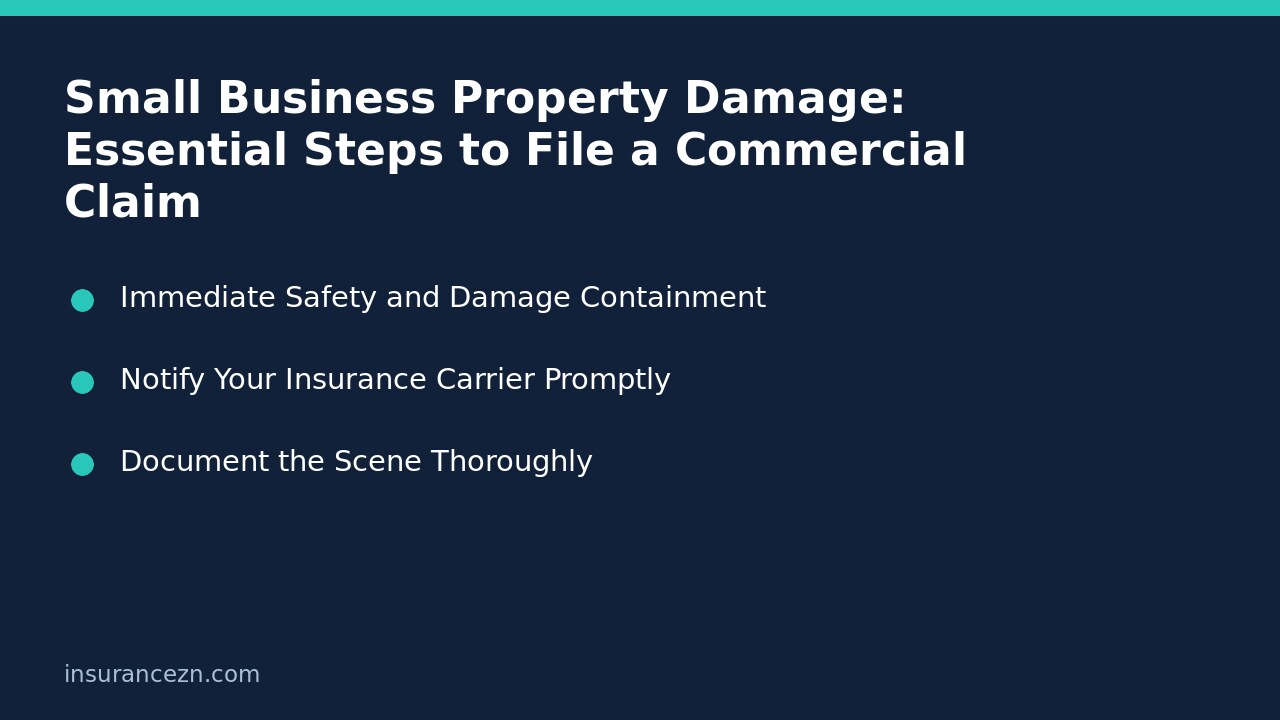
Immediate Safety and Damage Containment
Before contacting your insurance provider or documenting anything, your primary focus must be on the safety of your employees, customers, and visitors. If a fire has occurred, smoke is present, or structural instability is suspected, evacuate immediately and do not re-enter until authorities declare it safe. Once safety is secured, take steps to prevent further damage. Insurance policies typically require the insured to mitigate loss. For example, if a roof is compromised by hail, covering the opening with tarps can prevent rain from ruining inventory or damaging electrical systems. If water is flooding a floor, move valuable equipment to higher ground and turn off main utilities like electricity and gas if there is a risk of leakage. Document these mitigation efforts with photos; insurers often reimburse costs associated with reasonable emergency repairs.
Notify Your Insurance Carrier Promptly
Time is a critical factor in claims processing. Most commercial property policies require you to notify your insurer as soon as possible after an incident occurs, even if the full extent of the damage isn’t known yet. Delaying notification can sometimes lead to claim denials or reduced payouts. Locate your policy number and the specific contact information for your claims department, which is often found on your insurance card or declaration page. When you call, provide a clear summary of what happened, when it happened, and the approximate location of the damage. Do not wait until you have taken inventory; the initial report simply establishes the timeline of the event. Ask the representative to open a claim file and request a unique claim number to reference in all future communications.
Document the Scene Thoroughly
Creating a comprehensive record of the damage is one of the most important steps you can take. Once it is safe to enter the property, walk through every affected area with your smartphone or camera. Take wide-angle photos and close-up shots of damaged items, structural issues, and water lines or smoke stains. Capture images of the “before” state of an item if possible; for instance, photograph a burnt-out server rack but also try to capture a photo of the room from a distance to show the overall context. If items are destroyed, photograph any remaining serial numbers, model tags, or packaging. Do not throw away damaged goods before they have been inspected by your adjuster. Create a written list of every damaged item, including descriptions, quantities, and estimated values based on invoices or receipts. This documentation serves as the backbone of your claim and helps prevent disputes over the value of lost inventory.
Secure Your Business Records and Inventory Lists
In the chaos of a disaster, it is easy to lose track of vital documents that insurers will request. Gather any available records related to the damaged property, such as original purchase invoices, repair estimates from contractors, and previous insurance claims for similar items. If your physical inventory books are destroyed, try to access digital backups stored in the cloud or on external drives. These records help verify the value of your stock and equipment. If you do not have specific receipts for every item, explain this to your adjuster; they may use industry average replacement costs or depreciation schedules to estimate values. However, having your own documentation significantly speeds up the process and reduces the likelihood of underpayment.
Cooperate with Your Insurance Adjuster
Once your insurer assigns an adjuster, schedule a time for them to inspect the damage. Be prepared to walk them through the site and show them your documentation. The adjuster will assess the extent of the loss and determine what is covered under your specific policy. They may take their own photos and videos, but having your own records ensures that no detail is overlooked. During this meeting, discuss any temporary housing needs for employees if the business cannot reopen immediately, or arrangements for relocating operations. Ask questions about the coverage limits, deductibles, and any exclusions that might apply to your specific situation. Transparency during this phase builds trust and facilitates a smoother resolution.
Understand Policy Specifics and Exclusions
While general principles apply to most commercial property policies, every policy is unique. Review your declarations page carefully to understand what is covered and what is excluded. Common exclusions include flood damage (which often requires separate flood insurance), wear and tear, or damages caused by intentional acts. If the cause of damage involves a natural disaster like a hurricane or earthquake, ensure you have the appropriate rider or standalone policy in place. Some policies also cover business interruption losses, which can reimburse lost income during the time your business is closed for repairs. Familiarizing yourself with these terms before the adjuster arrives helps you advocate effectively for your needs and ensures you don’t miss out on entitled benefits.
Real-World Example: The Coffee Shop Storm
Consider a local coffee shop owner named Sarah who was hit by a severe hailstorm that shattered her windows and damaged the HVAC system. Within hours, she called her insurer, opened a claim file, and hired a contractor to tarp the roof. She took hundreds of photos of the shattered glass, wet electronics in the back counter, and ruined inventory bags. She located her digital purchase orders for the coffee machines and espresso beans. When the adjuster arrived two days later, Sarah provided her photo log and invoices. Because she had documented the mitigation efforts (the tarps) and had clear records of inventory value, the claim was processed quickly. The insurer approved payment for the structural repairs and the replacement of damaged goods within three weeks, allowing Sarah to reopen her shop before the holiday season began.
Conclusion
Filing a commercial property damage claim requires a methodical approach centered on safety, documentation, and timely communication. By securing the scene, notifying your insurer immediately, meticulously documenting the damage, and cooperating fully with your adjuster, you set the stage for a successful recovery. Remember that insurance terms, availability, eligibility, laws, and prices depend heavily on your specific insurer, policy details, and jurisdiction. Always consult your policy documents or speak directly with your agent for guidance tailored to your situation. Taking these proactive steps not only protects your financial interests but also minimizes downtime, helping your small business bounce back stronger after a disaster.