
Navigating the aftermath of an accident or the onset of a serious illness can be overwhelming, especially when administrative tasks pile up alongside physical recovery. One of the most critical steps in securing coverage for medical expenses is submitting a complete and accurate claim to your insurance provider. Many policyholders face delays in reimbursement or unexpected denials because they fail to gather specific documents before filing. Understanding exactly what information and paperwork to submit ensures that your claim is processed efficiently, minimizing gaps in coverage and protecting your financial interests during vulnerable times.
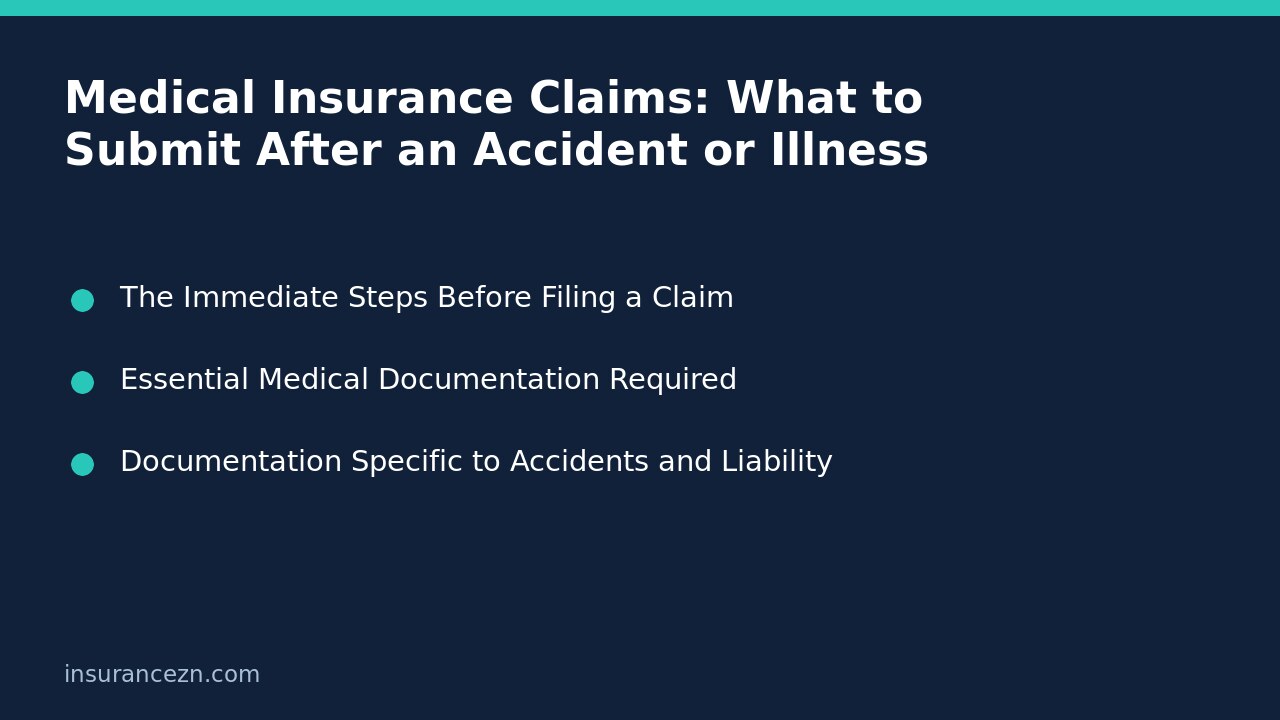
The Immediate Steps Before Filing a Claim
Before attempting to upload documents or fill out an online form, it is essential to have the foundational details ready. Insurance claims are not just about the final bill; they are about proving that an event occurred, that care was necessary, and that your policy covers the specific circumstances. Start by locating your insurance card, which contains your member ID number and group number. These identifiers must be included in every submission to link your claim to your specific file.
Review your policy documents or log into your insurer’s portal to understand your deductibles, copayments, and out-of-pocket maximums. Knowing these figures helps you estimate what portion of the bill you are responsible for paying upfront versus what the insurer will cover. If the incident was an accident involving a third party, such as a car crash or a slip-and-fall at work, gather contact information for witnesses and photos of the scene immediately. This evidence is often required to establish liability, which is a prerequisite for many claims involving injury.
Essential Medical Documentation Required
The core of any medical insurance claim relies on clinical documentation. The most critical document is the Itemized Bill. Unlike a summary bill that simply lists total charges, an itemized bill breaks down every service, test, medication, and supply provided, along with the code used to describe each (such as CPT or HCPCS codes). Without this level of detail, insurers cannot verify whether the services were medically necessary or if they align with your plan’s covered benefits.
Next, ensure you have the Explanation of Benefits (EOB) from any other payers involved. If you have secondary insurance, workers’ compensation, or Medicare, you must submit their EOB along with your primary claim. This document explains what the other payer approved and paid, allowing your insurer to calculate their responsibility according to coordination-of-benefits rules. Additionally, collect all Medical Reports and Discharge Summaries from your treating physician. These documents detail the diagnosis, treatment plan, and prognosis, which are vital for claims involving surgeries, hospitalizations, or ongoing care management.
Documentation Specific to Accidents and Liability
When a claim stems from an accident, liability documentation becomes just as important as medical records. If you were injured in a vehicle collision, your auto insurance policy may cover medical expenses regardless of fault under Personal Injury Protection (PIP) or Medical Payments coverage. However, if the other party is at fault, their liability insurance might be involved. In these scenarios, you must submit a completed Claim Form specific to the incident type, often accompanied by a police report number or copy.
For workplace injuries, the requirements shift slightly. You typically need to file a separate claim with your employer’s workers’ compensation board or department before submitting to your personal health insurer. Submitting both simultaneously without clarification can lead to delays. Always include a Letter of Authorization if you are seeking records from a hospital or clinic that requires third-party release forms. Some facilities will not release detailed records to insurers without explicit written permission signed by the patient, so having this prepared prevents bureaucratic bottlenecks.
Handling Pre-Authorization and Referral Requirements
Many insurance plans require pre-authorization for certain procedures, specialist visits, or non-emergency hospital admissions. If you have received care without prior approval, this does not automatically mean the claim will be denied, but it requires additional explanation. You must submit any Pre-Authorization Denial Notices along with a letter from your doctor explaining why the appointment was necessary despite the lack of prior approval.
In cases where a referral to a specialist was missed, gather the communication logs showing that you attempted to obtain one or that an emergency situation precluded waiting for a referral. Insurance companies are generally required to cover emergency services even without referrals, but documenting the urgency is key. Attach any Referral Forms or network provider verification letters if available. If the care was received out-of-network due to necessity, include a statement from your physician detailing why an in-network provider was unavailable at that specific time and location.
Common Mistakes That Delay Claims
Even with the right documents, procedural errors can stall a claim indefinitely. A frequent mistake is failing to sign the necessary releases or authorization forms attached to the medical records. Insurance adjusters cannot review files without patient consent, and unsigned papers will result in immediate rejection of the attachment. Another common error is submitting incomplete itemized bills that lack CPT codes or dates of service. Insurers rely on these codes to cross-reference with their fee schedules; missing data forces them to request clarification, extending the timeline by weeks.
Do not assume that a summary statement from your doctor is sufficient. Always insist on the full itemized invoice. Furthermore, avoid sending documents via unsecured email or physical mail without tracking if possible. Digital portals are preferred because they provide immediate proof of submission and timestamped records. Finally, never submit claims for services that were explicitly excluded in your policy terms unless you have a valid exception request prepared. Misunderstanding exclusions, such as those related to experimental treatments or cosmetic procedures, can lead to avoidable denials.
Real-World Example: Processing a Post-Surgery Claim
Consider the case of Sarah, who underwent an emergency appendectomy following a traffic accident. After her surgery, she received a final bill from the hospital totaling $15,000. Sarah’s first step was to request an itemized bill that listed every injection, bandage, and lab test performed. She also obtained a copy of her pre-surgery consultation notes and the surgeon’s operative report.
Sarah then logged into her insurer’s website, uploaded the itemized bill, the EOB from her auto insurance (which had paid $2,000 toward the costs), and the signed release forms for her medical records. She included a cover letter referencing the accident date and police report number. Within three days, her claim was processed. Because every document matched the dates of service and included the necessary codes, the insurer approved the remaining balance after applying her deductible. Had Sarah submitted only a summary bill or forgotten the auto insurance EOB, the process could have taken months and resulted in a partial payment dispute.
Conclusion and Final Checklist
Submitting a medical insurance claim requires diligence and organization, but the effort ensures that you receive the coverage you paid for through your premiums. By gathering itemized bills, understanding liability documentation, addressing pre-authorization issues, and avoiding common administrative errors, you can navigate the claims process with confidence. Remember that terms, availability, eligibility, laws, and prices depend on your specific insurer, policy details, and local jurisdiction. This article provides general guidance and does not constitute individualized financial or legal advice. Always verify current rules directly with your insurance provider.
Quick Submission Checklist:
* [ ] Locate Member ID and Group Number from insurance card.
* [ ] Request and review the Itemized Bill (ensure CPT codes are present).
* [ ] Gather all Medical Reports, Discharge Summaries, and Operative Notes.
* [ ] Obtain Explanation of Benefits (EOB) from any secondary payers.
* [ ] Secure signed Release of Information forms for all providers.
* [ ] Collect accident reports, police reports, or incident documentation if applicable.
* [ ] Prepare a cover letter summarizing the incident and attaching all documents.
* [ ] Submit via the insurer’s secure portal or certified mail with tracking.