
Submitting a property insurance claim is often a stressful experience, especially when you are dealing with water damage, fire, or storm aftermath. However, the administrative process of filing that claim can introduce its own set of pitfalls that may jeopardize your payout. Many policyholders believe that simply calling their insurer and stating what happened is sufficient, but modern property insurance claims require documentation, specific timelines, and adherence to strict protocols.
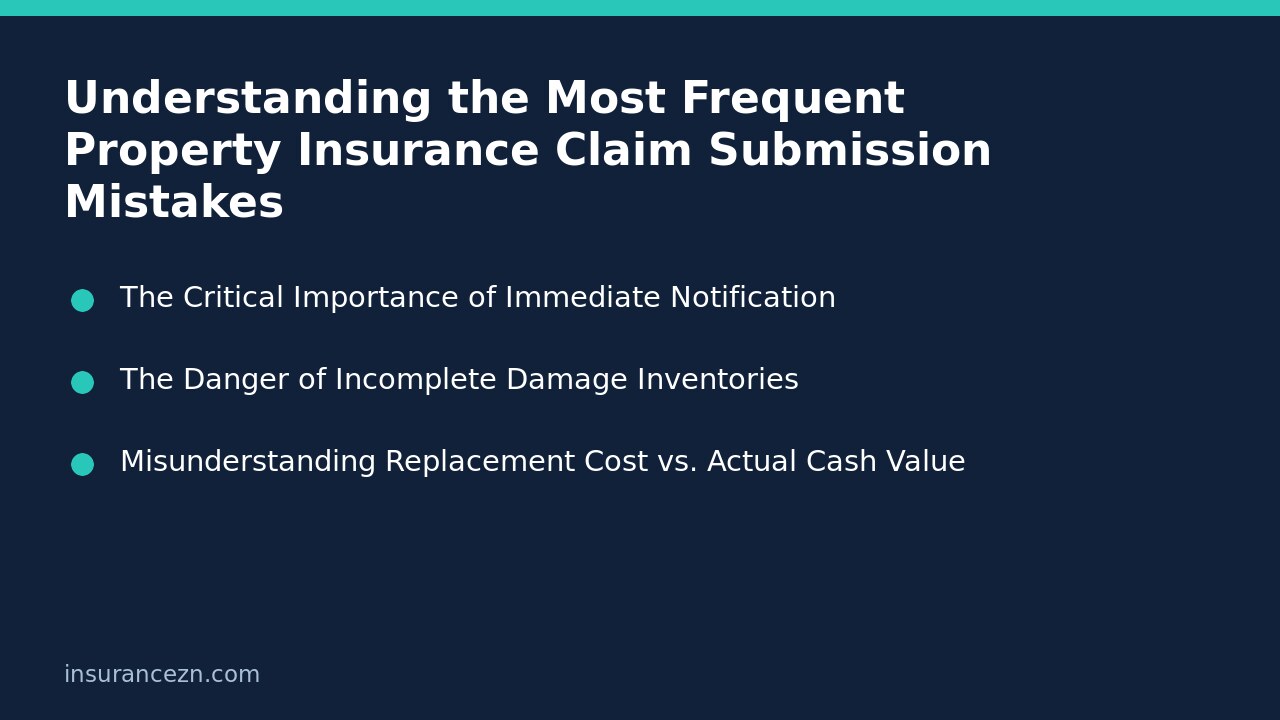
The most frequent mistake homeowners and business owners make is failing to notify their insurer immediately after an incident occurs. Insurance policies are contracts of utmost good faith; delays in reporting can lead to disputes over the cause of loss or allow the damage to worsen before it is documented. Another common error involves underestimating the scope of damage, leading to incomplete inventories that result in lower settlements. Finally, neglecting to understand the difference between a replacement cost policy and an actual cash value policy often leads to unexpected financial shortfalls at the settlement stage. By understanding these frequent errors, you can navigate the claims process more effectively and protect your assets.
The Critical Importance of Immediate Notification
One of the most significant reasons claims are delayed or denied is a failure to report the loss promptly. While many policies have a 24-hour window for reporting, some require immediate notification, particularly in cases involving fire or water intrusion where mitigation costs are incurred by the insurer. If you wait days or weeks to call your agent, the insurer may argue that the damage was not sudden and accidental, or that the delay suggests a pre-existing condition.
For example, if a pipe bursts at 2:00 AM, waiting until Monday morning to file a claim can be disastrous. During those hours, water continues to spread, potentially causing mold growth or structural rot that would have been preventable with immediate professional intervention. Insurers often hire third-party mitigation companies who work on an hourly basis; if you do not authorize them quickly, the bill for emergency services accumulates, and your deductible may increase because the damage was not contained in time. Always document the scene via photos or video immediately after ensuring safety, then contact your insurance carrier before cleaning up or making repairs, unless doing so prevents further immediate danger.
The Danger of Incomplete Damage Inventories
A major source of frustration during the claims process is the discovery that the settlement check covers less than expected because the inventory was incomplete. Homeowners often focus only on visible damage, forgetting to document items stored in basements, attics, or garages. Similarly, business owners may overlook equipment that is not permanently installed but is essential for operations.
To avoid this, create a comprehensive list of damaged or lost property. For personal residences, take clear photographs and videos of every room, focusing on specific items like electronics, furniture, and clothing. Use timestamps on your photos if possible. If you have receipts or credit card statements, gather them now; these are the most effective proofs of value. Without this documentation, insurers often apply a “substitution clause,” paying for similar but less expensive items rather than what you actually owned. In high-inflation environments, failing to prove the original purchase price can leave you significantly undercompensated.
Misunderstanding Replacement Cost vs. Actual Cash Value
Perhaps the most confusing aspect of property insurance is the distinction between replacement cost and actual cash value (ACV). Many consumers assume these terms mean the same thing, but they have vastly different financial implications. Actual cash value typically calculates a payout based on the item’s age and depreciation at the time of loss. Replacement cost, conversely, pays to repair or replace the damaged property with materials of like kind and quality without deducting for depreciation.
A common mistake occurs when a homeowner has an ACV policy but expects a full replacement payment. If your roof is destroyed by hail under an ACV policy, you might receive only 60-80% of the cost to install a new roof, as the old one was already depreciated. Conversely, if you have a replacement cost policy, the insurer must pay the full amount to rebuild, though they may deduct what you owe for repairs before paying the balance. Always review your policy declarations page to confirm which coverage you hold. If you are in an area prone to natural disasters, upgrading to replacement cost coverage is often a prudent financial decision, provided you can afford the higher premium.
Failing to Mitigate Further Damage
Insurance policies almost universally contain a duty to mitigate damages clause. This means that once a loss occurs, you are legally and contractually obligated to take reasonable steps to prevent the situation from getting worse. Failure to do so can result in claim denial for the portion of damage that could have been avoided.
Consider a scenario where a window is shattered during a storm, leaving your home exposed to rain. If you wait for the insurance adjuster to arrive before boarding up the window, the resulting water damage inside the house may not be covered. Similarly, if an air conditioner fails and leaks water into the living room, turning it off and placing a bucket or tarp over the unit is a necessary mitigation step. Keep receipts for any materials you purchase to perform these temporary repairs, such as plywood, plastic sheeting, or dehumidifiers. These receipts serve as proof that you acted responsibly and in accordance with your policy requirements.
Common Documentation and Communication Errors
Even with the right coverage and immediate action, poor communication can derail a claim. One frequent mistake is failing to provide a complete narrative of events. Adjusters need a clear timeline: when did it start, what were the weather conditions, and have you spoken to neighbors or witnesses? Another error involves changing your story between the initial report and the final settlement meeting. Consistency is key; if you tell the adjuster one thing in an email and contradict yourself on the phone, it raises red flags regarding fraud or exaggeration.
Additionally, do not assume that signing a release form closes the file entirely. Some policies allow for additional living expense (ALE) claims to be submitted later if costs exceed initial estimates. Ensure you understand all forms you sign before handing them over. If you are unsure about a document’s implications, ask your insurance agent or attorney for clarification before signing. Never admit fault or liability in writing without legal advice, as this can complicate coverage issues unrelated to the physical damage itself.
Real-World Checklist for Successful Claim Submission
To ensure you avoid these frequent mistakes, use the following checklist when submitting a property insurance claim:
- Secure Safety First: Ensure the property is safe to enter. If there is structural instability or gas leaks, call emergency services before entering.
- Document Immediately: Take extensive photos and videos of all damage, including undamaged areas for context. Note the date and time on every photo.
- Notify Your Insurer: Call your insurance company within 24 hours if possible. Provide a factual summary without admitting fault or speculating on causes.
- Mitigate Damage: Take immediate steps to stop water flow, board up broken windows, or move furniture away from fire hazards. Save all receipts for these efforts.
- Create an Inventory: List every damaged item with descriptions, approximate ages, and proof of purchase if available.
- Review Your Policy: Check your declarations page to confirm whether you have replacement cost or actual cash value coverage.
- Stay Consistent: Keep a log of all communications with the insurer, noting dates, times, and names of representatives spoken to.
- Get Professional Help if Needed: For complex losses like structural damage or high-value art, consider hiring a public adjuster or restoration specialist to assist with the paperwork.
Conclusion
Navigating a property insurance claim requires attention to detail, prompt action, and a clear understanding of your policy terms. By avoiding common mistakes such as delayed reporting, incomplete inventories, and failing to mitigate damage, you significantly increase your chances of receiving a fair and timely settlement. Remember that every insurance policy is unique; terms, availability, eligibility, laws, and prices depend on the specific insurer, policy language, and jurisdiction. Always consult with your insurance agent or a qualified professional for advice tailored to your specific situation rather than relying on general rules. With proper preparation and careful execution, you can turn a stressful event into a manageable administrative process.