
Filing a health insurance claim is often the final step in receiving necessary medical care, yet it is frequently where patients encounter unnecessary delays or denials. The process involves navigating complex forms, understanding specific policy language, and coordinating between healthcare providers and insurers. A single error can result in delayed payment, reduced reimbursement, or a complete denial that requires months of appeals. To protect your financial interests and ensure timely care, it is essential to understand the most common pitfalls and how to avoid them. This guide provides actionable steps to navigate the claims process effectively, ensuring you receive the coverage you paid for.
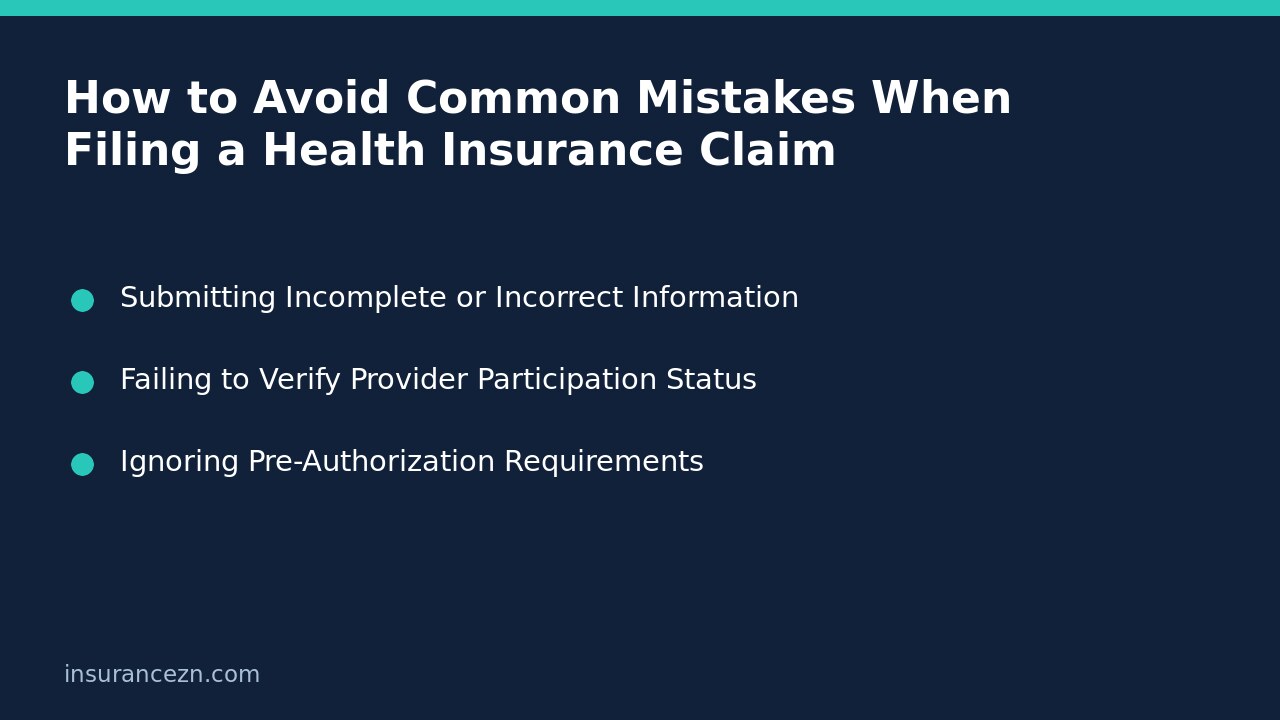
Submitting Incomplete or Incorrect Information
The most frequent cause of claim denials is incomplete data entry. Insurance carriers rely on precise information to verify eligibility, determine coverage limits, and calculate copayments. Missing fields such as the member ID, date of service, or procedure codes can trigger an automatic rejection before a human reviewer even sees the file.
To avoid this, always double-check every field on the claim form, whether it is submitted digitally by a provider or manually by you. Ensure that the patient’s name matches exactly what appears on the insurance card, including middle initials if required. Verify the date of service against your calendar; discrepancies here can lead to coverage issues if the policy was active at that specific time. If submitting electronically, use the standard claim format (such as the 837P) to ensure compatibility with major payers like Blue Cross Blue Shield or Aetna. For paper claims, legibility is paramount; if using a form, print clearly and avoid crossing out information, as some carriers may reject handwritten alterations.
Failing to Verify Provider Participation Status
A critical mistake patients make is assuming that any doctor who accepts Medicare also accepts their specific private insurance plan. Providers can be “in-network,” “out-of-network,” or “non-participating.” Submitting a claim for an out-of-network visit without prior authorization often results in significantly higher out-of-pocket costs or a denial based on the policy’s network restrictions.
Before any procedure, ask the healthcare provider directly: “Are you currently participating with my specific plan?” Request written confirmation if possible. If you are seeing a specialist who is not in your network but has agreed to treat you, ensure that the claim will be submitted as an out-of-network claim and that you understand the potential financial liability. Some plans require pre-authorization for out-of-network services; failing to obtain this approval prior to the visit can lead to denial regardless of the medical necessity.
Ignoring Pre-Authorization Requirements
Many high-cost procedures, such as MRIs, specialist consultations, or hospital admissions, require pre-authorization from the insurance carrier before the service is rendered. Filing a claim for a procedure that lacked this prior approval is a leading reason for denials. The insurance company may view the service as not medically necessary under the specific terms of your plan if they did not review it beforehand.
Always contact your insurer’s member services line or check your online portal before scheduling elective procedures or surgeries. Ask specifically about the pre-authorization process and keep a record of the reference number provided. If the provider handles this on your behalf, request a copy of the authorization letter to attach to the claim file. Missing this step can turn a straightforward reimbursement into a lengthy appeals battle.
Neglecting to Keep Detailed Documentation
Documentation serves as the evidence supporting the necessity of the medical service. When filing a claim, especially for complex cases or those involving out-of-network providers, having a comprehensive paper trail is vital. This includes itemized bills, Explanation of Benefits (EOB) statements, referral letters, and clinical notes explaining why a specific treatment was chosen over alternatives.
Common mistakes include discarding original receipts or failing to save digital copies of electronic statements. If a claim is denied, you will need this documentation to prove that the services were rendered as described. Keep a dedicated folder—physical or digital—for each medical event. Include the claim number, the date of service, and the billing cycle in your records. If the provider sends an Explanation of Benefits showing a balance not covered by insurance, retain that document immediately for potential dispute resolution with the billing department.
Misunderstanding Deductibles and Copayments
Another significant error is assuming that filing a claim automatically means the insurer will pay their share immediately. Patients often fail to understand how deductibles and copayments work in practice. You are responsible for paying your deductible and copayment at the time of service, but you should still receive an Explanation of Benefits from the insurer detailing their payment. If the provider bills you for the full amount before submitting the claim, ensure you only pay what is owed after the insurance adjustment.
Filing a claim does not absolve you of the responsibility to verify that the correct amounts were charged. Sometimes providers charge “balance billing” for out-of-network services, which your insurance may not cover. Review your EOB carefully to see if the billed amount matches the allowed amount. If there is a discrepancy, dispute it with the provider before paying in full. Understanding these financial mechanics prevents overpayment and ensures you are not held liable for amounts the insurer should have covered.
Real-World Example: The Missing Diagnosis Code
Consider the case of Sarah, who underwent a routine knee surgery. Her surgeon submitted the claim, but it was denied because the diagnosis code did not match the procedure code performed. In medical billing, every procedure must be supported by a specific diagnosis that justifies why that procedure was medically necessary. If the codes do not align, the insurer assumes the service was unnecessary.
Sarah’s provider realized the error after receiving the denial notice. They corrected the claim with the accurate diagnosis code and resubmitted it. However, had she noticed the initial denial or kept her own records of the surgical report, she could have assisted in correcting the error faster. This scenario highlights why patients should review their medical records for accuracy before and after a visit, ensuring that the codes listed reflect the actual care received.
Checklist for Filing Your Health Insurance Claim
To streamline the process and minimize errors, follow this checklist before submitting any claim:
* [ ] Verify your member ID and group number are correct on the form.
* [ ] Confirm the provider is in-network for your specific plan.
* [ ] Check if pre-authorization is required for the procedure.
* [ ] Ensure all dates of service match the medical records exactly.
* [ ] Review the diagnosis and procedure codes for accuracy.
* [ ] Attach necessary supporting documents (referrals, prior authorizations).
* [ ] Keep a copy of the completed claim form and any submission confirmation.
By adhering to these guidelines, you can significantly reduce the risk of claim denials and ensure a smoother reimbursement process. Always remember that terms, availability, eligibility, laws, and prices depend on your specific insurer, policy, and jurisdiction. This information is for educational purposes and does not constitute individualized financial or legal advice.