
Filing your first insurance claim can feel overwhelming, especially when you are dealing with the immediate aftermath of an accident, a fire, or significant property damage. The process often seems like a maze of paperwork and phone calls, but it does not have to be chaotic. By following a structured approach, you can protect yourself from common pitfalls that lead to claim denials or delayed payouts. This guide provides a comprehensive, step-by-step checklist designed to help you navigate the initial stages of filing a claim with confidence and clarity.
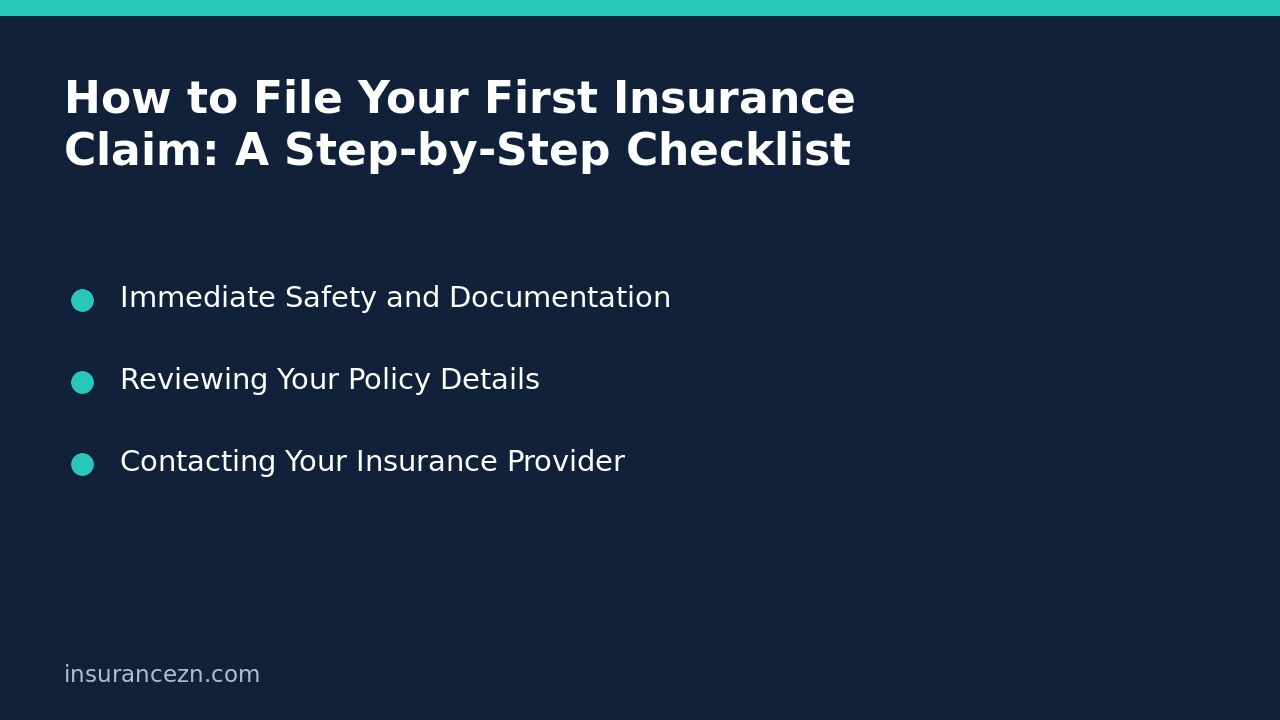
Immediate Safety and Documentation
Before contacting your insurance provider, your primary focus must be on safety and evidence preservation. If an accident has occurred, ensure that everyone is safe and call emergency services if necessary. Do not move vehicles or property unless there is an immediate danger; doing so can destroy crucial evidence needed for the claim.
Once safety is secured, begin documenting the scene immediately. Take clear, wide-angle photos of the entire area, then zoom in to capture specific details like cracks, dents, water stains, or broken glass. If you have witnesses, ask for their names and contact information while the memory is fresh. Note down weather conditions, time, and location, as these factors often influence liability determinations.
Reviewing Your Policy Details
The next critical step is to locate your insurance policy documents. Most insurers provide digital copies via mobile apps or online portals, but physical copies are also common. Skim through the “Declarations Page” first, which outlines your coverage limits, deductibles, and premium costs.
Look specifically at the section regarding the type of loss you experienced. Does your policy cover this specific event? For example, standard homeowners policies often exclude flood damage unless you have a separate rider or flood insurance. Understanding your deductible amount is also vital; remember that this is the portion of the cost you must pay out-of-pocket before the insurance company steps in.
Contacting Your Insurance Provider
Once you have gathered your evidence and reviewed your policy, contact your insurer to initiate the claim process. Most major carriers offer 24/7 claims hotlines or dedicated mobile apps for filing. When you call, have your policy number and date of birth ready for verification purposes.
Be prepared to provide a concise summary of what happened. Avoid speculating on liability or admitting fault during this initial conversation; simply state the facts as you observed them. The claims adjuster will guide you through their specific intake form, but having your photos and notes organized beforehand will significantly speed up the process. Ask for a claim number and write it down immediately, as you will need this reference number for all future communications.
Gathering Supporting Financial Information
Insurance companies often require proof of financial loss to determine the settlement amount. For property damage, this may include receipts for replaced items, repair estimates from contractors, or invoices for medical bills. If you purchased items that were destroyed and lack receipts, insurers may accept bank statements showing credit card charges or photos of the items prior to the incident as alternative proof of value.
For auto insurance claims involving vehicle theft or total loss, gather your vehicle identification number (VIN), registration documents, and any police reports filed at the scene. Keep copies of all correspondence with your insurer, including emails and letters, organized in a dedicated folder. This organization is crucial if disputes arise later regarding the scope of coverage or settlement amounts.
Understanding the Investigation Process
After filing, an insurance adjuster will be assigned to investigate your claim. They may request additional information, schedule an inspection of damaged property, or interview witnesses. It is important to remain patient but proactive during this phase. Respond promptly to any requests for information to prevent delays.
Be wary of third-party claims adjusters who approach you unsolicited. These professionals work for insurance companies other than your own and are not authorized to negotiate settlements on your behalf. Always communicate directly with your own insurer’s representative. If you feel pressured to sign a release or settle quickly without understanding the implications, pause the conversation and consult with the original adjuster or an attorney if necessary.
Real-World Example: The Water Damage Scenario
To illustrate the checklist in action, consider a homeowner who discovers water leaking from their roof after a storm. First, they ensure safety by turning off electricity to affected areas and placing buckets to catch dripping water. Next, they photograph the ceiling stain, the damaged shingles, and any soaked furniture. They then check their policy to confirm coverage for windstorm-related water damage.
The homeowner contacts their insurer via the mobile app, uploads the photos, and reports the incident. An adjuster is scheduled to inspect the roof and interior damage within a few days. The homeowner provides receipts for temporary repairs made using emergency funds, such as tarps purchased at a hardware store. Throughout the process, they keep a log of all calls made to the insurer, including dates, times, and the names of representatives spoken to. This disciplined approach ensures that no critical detail is overlooked when the final settlement is calculated.
Common Mistakes to Avoid
Even experienced policyholders make errors during the claims process. One frequent mistake is delaying the notification of the insurer; most policies require prompt reporting, often within 24 to 72 hours. Another error is failing to mitigate further damage. For instance, if a pipe bursts, leaving it unrepaired can lead to mold growth, which might be denied coverage if not addressed immediately.
Avoid admitting fault or liability in written communications unless you are certain of the facts. Also, do not accept the first settlement offer without reviewing it against your actual losses and policy terms. Finally, never sign a release form until you have received the full payment or agreed to a specific timeline for future payments.
Final Thoughts on Claim Resolution
Filing an insurance claim is a procedural task that requires organization, patience, and attention to detail. By following this step-by-step checklist, you can navigate the complexities of the system with greater ease. Remember that your insurer is a partner in resolving the issue, but the responsibility for accurate documentation lies largely with you.
Always verify specific terms, availability, eligibility, laws, and prices with your insurer, as these factors depend heavily on your policy details and jurisdiction. This article provides general guidance and does not constitute individualized financial or legal advice. Staying informed and prepared will help ensure a smoother experience when your first claim is finally filed.