
Living in an apartment offers flexibility and community, but it also introduces unique risks that homeownership does not carry. A single event, such as a burst pipe, a neighbor’s fire, or severe weather, can devastate your personal belongings and leave you personally liable for damages you did not cause. Renters insurance is often the most misunderstood policy in the insurance industry; many tenants believe their landlord’s coverage protects them, which is a dangerous misconception. This guide clarifies exactly what renters insurance covers, why it is essential for apartment dwellers, and how to secure a policy that fits your specific lifestyle without breaking the bank.
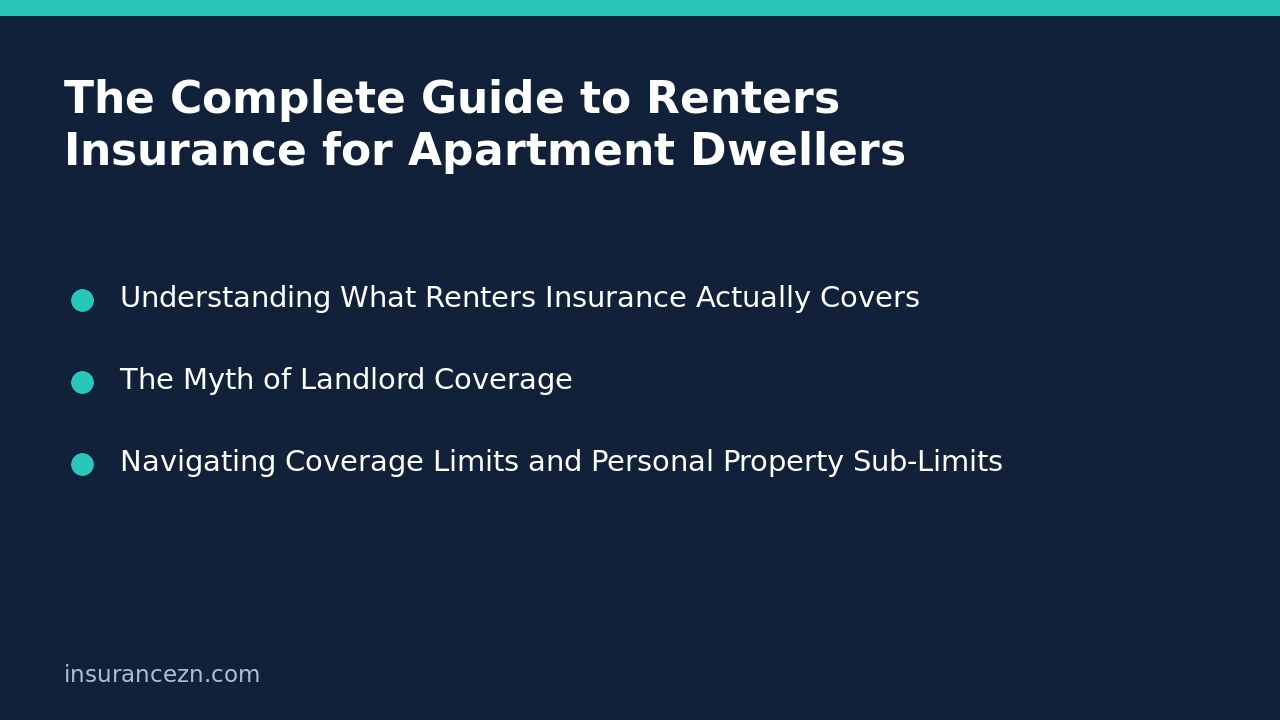
Understanding What Renters Insurance Actually Covers
The most critical function of renters insurance is liability protection. If you accidentally cause damage to your apartment or the building structure—such as starting a fire while cooking or causing water damage from an overflowing bathtub—you could be sued for thousands of dollars. Your policy provides legal defense costs and covers settlements up to your chosen limit. Unlike homeowners insurance, which covers the physical structure of the home, renters insurance focuses on your personal property and liability.
Personal property coverage is the second pillar of this policy. It pays to repair or replace your belongings if they are damaged or stolen due to a covered peril, such as fire, theft, vandalism, or windstorm. This includes furniture, electronics, clothing, and appliances. However, there are important nuances regarding high-value items like jewelry, art, or collectibles, which often have sub-limits in standard policies.
Finally, renters insurance provides additional living expenses (ALE), sometimes called loss of use coverage. If your apartment becomes uninhabitable due to a covered event, this benefit pays for hotel stays, restaurant meals, and other necessary costs while you wait for repairs to be completed or while you find temporary housing.
The Myth of Landlord Coverage
One of the most common mistakes apartment dwellers make is assuming that their landlord’s insurance extends protection to them. In reality, a landlord’s policy covers only the physical building and the structure itself—the walls, roof, and foundation. It does not cover your personal possessions or your liability. If a fire destroys your apartment, the landlord’s insurer will pay to rebuild the unit for the next tenant, but they will not replace your television, laptop, or winter coat. Without your own policy, you would be responsible for replacing these items out of pocket, potentially facing financial ruin if the losses are significant.
Furthermore, landlords rarely offer liability coverage for their tenants. If a guest slips on a wet floor in your apartment and sues you, the landlord’s insurance will not pay your legal defense or any settlement. You need your own policy to shield your assets from these personal liability claims.
Navigating Coverage Limits and Personal Property Sub-Limits
When shopping for renters insurance, you must pay close attention to coverage limits. The amount of personal property coverage you need depends on the value of your belongings. A common starting point is $20,000 to $30,000, but this varies significantly based on your possessions. If you own a high-end gaming setup, musical instruments, or designer clothing, the standard policy may not provide enough protection.
Many policies include sub-limits for specific categories of items. For example, a standard policy might only cover jewelry, watches, and furs up to $1,500 total, regardless of how much you have in that category. If your engagement ring is stolen and valued at $10,000, the insurer would only pay $1,500 unless you purchased a scheduled personal property rider. This rider adds a small fee to your premium but ensures full coverage for specific high-value items. Always review your policy declarations page to identify these exclusions before an incident occurs.
Common Exclusions and Limitations to Watch For
No insurance policy is perfect, and renters policies are no exception. Understanding what is excluded helps you avoid gaps in coverage. Most standard policies do not cover losses caused by flooding or earth movements; separate flood insurance is required for that. They also typically exclude damage resulting from intentional acts, neglect (such as leaving a bathtub overflowing for days), or pests like termites and rodents.
Electrical surges are another area of confusion. Many basic policies cover damage to personal property caused by fire or lightning but may not cover damage from an electrical surge unless you have specific additional coverage. It is vital to read the fine print regarding “sudden and accidental” events versus gradual deterioration. Gradual wear and tear, mold resulting from long-term leaks, and mechanical breakdown of appliances are generally excluded.
How Renters Insurance Rates Are Calculated
The cost of your renters insurance premium is influenced by several factors, though not all are within your control. Your location plays a major role; apartments in areas prone to wildfires, hurricanes, or high crime rates will have higher premiums due to the increased risk of claims. The building type also matters; older buildings or those with outdated electrical systems may cost more to insure.
Your personal profile affects the rate as well. Claims history is significant; if you or previous tenants in the unit have filed frequent claims, your premium may increase. Credit-based insurance scores are used in many states to determine risk, though this practice is banned in a few jurisdictions like California and Hawaii. Choosing a higher deductible—the amount you pay out of pocket before insurance kicks in—can significantly lower your monthly premium. While a $500 deductible costs less than a $250 deductible, ensure you can afford the difference in case of a claim.
Securing Your Policy: Steps for Apartment Dwellers
To get started, compare quotes from multiple insurers. Do not settle for the first offer; premiums can vary drastically between companies for the same coverage. When requesting quotes, be honest about the square footage of your apartment and the value of your belongings. Be sure to ask about available discounts, such as those for bundling with auto insurance, having security systems installed, or paying in full annually rather than monthly.
Once you select a provider, carefully review the policy documents. Look specifically at the definitions of covered perils and the sub-limit clauses mentioned earlier. If you own items like a camera lens collection or expensive electronics, ask how to schedule them for additional coverage. Finally, keep your contact information updated and notify your insurer immediately if you move within the complex or make significant changes to your living situation that might affect risk.
Real-World Example: The Cost of Underestimating Value
Consider the case of Alex, a software engineer living in a studio apartment. Alex purchased a renters policy with $20,000 in personal property coverage because he thought his belongings weren’t worth much. However, upon closer inspection, he realized his laptop alone was worth $3,500, his furniture set was valued at $8,000, and his collection of designer sneakers added another $4,000. His total estimated value was around $16,000, but he also owned a high-end espresso machine and several electronic displays not fully accounted for in his initial inventory.
A year later, a pipe burst in the unit below Alex’s, causing water to flood his apartment. The damage rendered his electronics unusable and ruined his furniture. Because Alex had not maintained an accurate inventory and underestimated his total value, he faced a complex claims process. Had he scheduled his high-value items and accurately assessed his total worth, he would have received full reimbursement. This example highlights the importance of regularly updating your policy limits and maintaining a detailed home inventory, either through photos or a spreadsheet.
Conclusion
Renters insurance is a financial safety net that should be standard for every apartment dweller. It protects your most valuable assets—your belongings and your financial future—from unforeseen disasters. By understanding the difference between landlord coverage and tenant coverage, recognizing sub-limits on high-value items, and calculating accurate premiums based on your specific risks, you can secure a policy that offers peace of mind. Remember that terms, availability, eligibility, laws, and prices depend on the insurer, policy, and jurisdiction. Always consult with an insurance professional to ensure your specific needs are met before purchasing a policy.