
Filing a property insurance claim can feel like navigating a maze of bureaucracy, especially when you are trying to secure your home or business after a loss. The most common misconception is that the settlement process is purely on the hands of the insurance adjuster. While their assessment is critical, the speed and efficiency of the settlement often depend heavily on the policyholder’s actions in the immediate aftermath of an incident. By understanding the claims lifecycle and proactively managing your documentation, you can significantly reduce delays and prevent common pitfalls that stall payments.
The goal of this guide is to provide actionable steps to accelerate your claim resolution without compromising your rights or the accuracy of your payout. Whether you are dealing with water damage from a burst pipe, storm-related roof destruction, or fire damage, the principles of effective communication and documentation remain consistent.
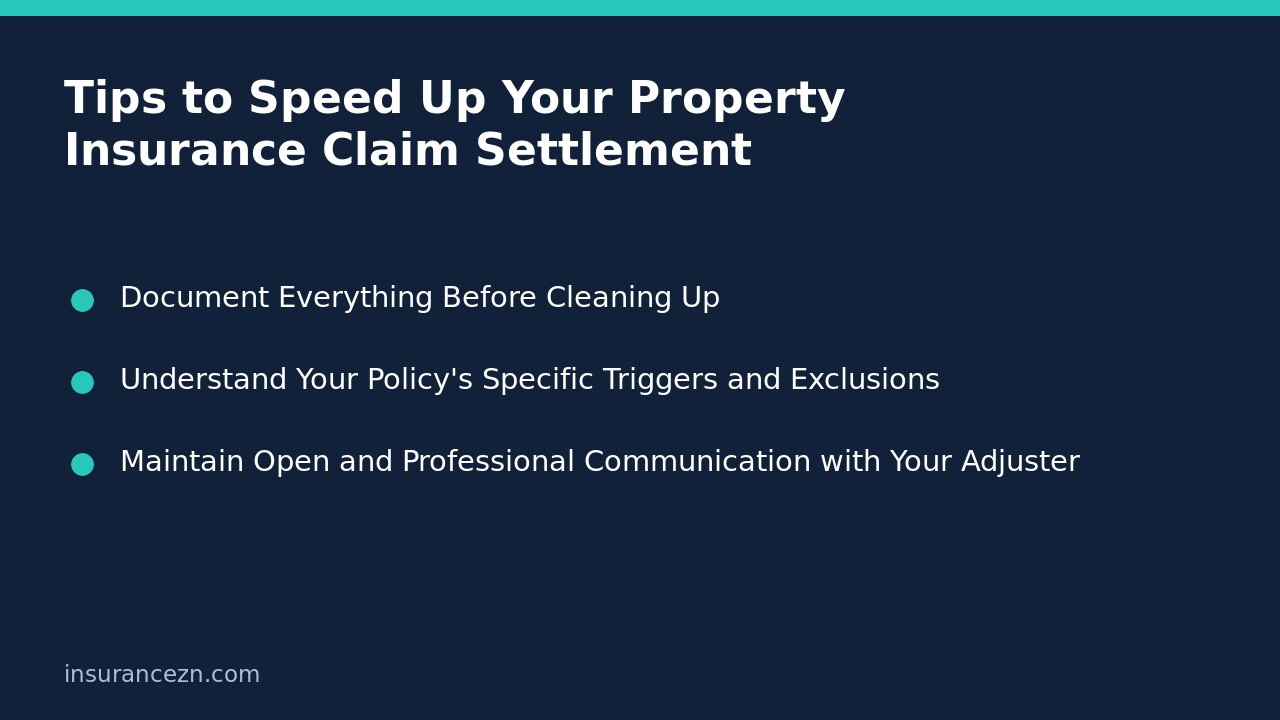
Document Everything Before Cleaning Up
The single most frequent cause of delayed claims is inadequate documentation. Insurance adjusters rely on visual evidence to determine the extent of the loss. If you clean up debris or repair minor damage before an adjuster arrives, you may inadvertently remove the proof needed to validate the claim.
Actionable Steps:
* Photograph and Video: Take high-resolution photos and videos of every damaged item and area from multiple angles. Include wide shots that show the context (e.g., a hole in the roof) and close-ups showing the damage severity.
* List Damaged Items: Create a detailed inventory of destroyed or damaged personal property. Note the age, condition, and approximate value of each item. Receipts, credit card statements, or warranty cards are invaluable if originals are missing.
* Preserve Debris: Do not throw away damaged items immediately unless they pose an immediate safety hazard. Keep them in a safe location until the adjuster has inspected them.
Common Mistake to Avoid: Many homeowners rush to board up windows or replace drywall before the initial inspection. While this is necessary for safety and security, ensure you have documented the original state of the damage first. Some policies require you to mitigate further damage, but they also need to see the baseline condition to calculate the loss accurately.
Understand Your Policy’s Specific Triggers and Exclusions
Before submitting a claim, take a moment to review your specific policy language. Different insurers define “acts of God,” windstorms, or water damage differently. Some policies exclude certain types of flooding or require specific endorsements for sewer backup.
Practical Application:
If you live in an area prone to wildfires, ensure you understand the waiting periods for mold coverage that might be triggered by smoke infiltration. If your policy has a deductible based on percentage of value rather than a fixed amount, knowing this beforehand helps you prepare financially. Misunderstanding these terms can lead to disputes where the insurer denies coverage based on exclusions you didn’t realize existed until it was too late.
Real-World Example:
Consider a homeowner whose roof is damaged by hail. If their policy requires them to file a claim within 30 days of the event, waiting two weeks to clean up debris might be fine, but ignoring a specific clause about “sudden and accidental” damage versus gradual wear could complicate things. Always read the “Conditions” section of your policy regarding time limits for reporting losses.
Maintain Open and Professional Communication with Your Adjuster
Once a claim is filed, you will likely be assigned a claims adjuster. This professional is responsible for investigating your loss and negotiating the settlement amount. The relationship between you and the adjuster is pivotal; friction here often leads to back-and-forth correspondence that stalls the process.
How to Accelerate Communication:
* Be Responsive: Adjusters are often under pressure to meet internal deadlines. Responding to requests for information within 24 to 48 hours demonstrates reliability and keeps your file moving.
* Provide Clear Updates: If you discover additional damage after the initial inspection (e.g., hidden water damage behind a wall), notify the adjuster immediately with new photos.
* Follow Instructions: If the adjuster requests specific forms, access codes, or temporary repairs, complete these tasks promptly.
Security Consideration: Never share your policy number, Social Security number, or bank account details via unsecured email or text message unless you are certain of the sender’s identity. Always verify the adjuster’s contact information through your insurer’s official website or a recent bill before engaging in sensitive conversations.
Mitigate Further Damage and Keep Receipts
Most property insurance policies include a duty to mitigate. This means you are expected to take reasonable steps to prevent the loss from worsening while waiting for the settlement. Failure to do so can result in the insurer denying coverage for the additional damage incurred.
What Constitutes Reasonable Mitigation?
* Water Damage: Place sandbags or tarps to stop water flow. Turn off the main water valve if a pipe has burst. Run fans and dehumidifiers to prevent mold growth, which can escalate quickly.
* Fire Damage: Board up broken windows and doors to protect against weather and looting. Clear out flammable materials from the perimeter of the structure if safe to do so.
Crucial Financial Tip: Keep every receipt related to mitigation efforts. If your policy includes “loss assessment” or “additional living expenses” (ALE) coverage, you may be reimbursed for hotel stays, restaurant meals, and temporary housing costs. Without itemized receipts, these legitimate expenses often go uncompensated.
Follow Up Consistently and Know Your Rights
The claims process can drag on due to administrative backlogs or complex assessments. It is not your job to chase the claim aggressively in a hostile manner, but maintaining polite, consistent follow-up is essential. If your claim has been open for longer than the typical timeframe (often 30 to 60 days depending on complexity), send a polite inquiry email or call your assigned adjuster.
When to Escalate:
If you reach an impasse regarding the settlement amount or the timeline, ask to speak with a supervisor or a senior claims manager. In some jurisdictions, you have the right to an independent public adjuster who can represent your interests during negotiations. However, hiring one usually involves a percentage fee deducted from your final settlement, so weigh this option carefully.
Disclaimer on Insurance Advice:
Please note that insurance terms, availability, eligibility, laws, and prices vary significantly by insurer, policy type, and jurisdiction. The information provided here is for educational purposes only and does not constitute individualized financial or legal advice. Always consult your specific policy documents and professional advisors for decisions regarding your unique situation.
Conclusion: Taking Control of the Process
Speeding up a property insurance claim settlement is less about rushing the adjuster and more about being prepared, organized, and communicative. By documenting your loss thoroughly before cleanup begins, understanding the nuances of your policy, mitigating further damage responsibly, and maintaining professional communication, you position yourself for a smoother, faster resolution.
Remember that while insurance companies have their own workflows, they rely on accurate data from you to process payments efficiently. A well-documented claim is a fast claim. Take the time now to organize your home inventory and review your policy limits so that when the unexpected happens, you can focus on recovery rather than administrative hurdles.