
Selling or trading in your vehicle is often a significant financial milestone, but it can also leave policyholders confused about their auto insurance coverage. A common misconception is that you must cancel your policy immediately upon signing the sale agreement. While cancelling is necessary for liability reasons, the process of handling your existing policy involves specific steps to avoid gaps in coverage, unnecessary fees, or accidental lapses. Understanding the mechanics of transferring ownership and updating your insurer ensures a smooth transition from seller to buyer while protecting your financial interests.
When you sell a car, the vehicle is no longer part of your fleet of assets, meaning the comprehensive and collision portions of your policy technically no longer apply to that specific asset. However, liability coverage—the requirement in most jurisdictions—is tied to the driver and the vehicle’s registration status. If you fail to notify your insurer promptly, you risk paying premiums for a car you no longer own or driving without valid insurance if the transfer isn’t registered correctly. Conversely, buying a car often requires an immediate update to your policy to ensure legal compliance and continuous protection.
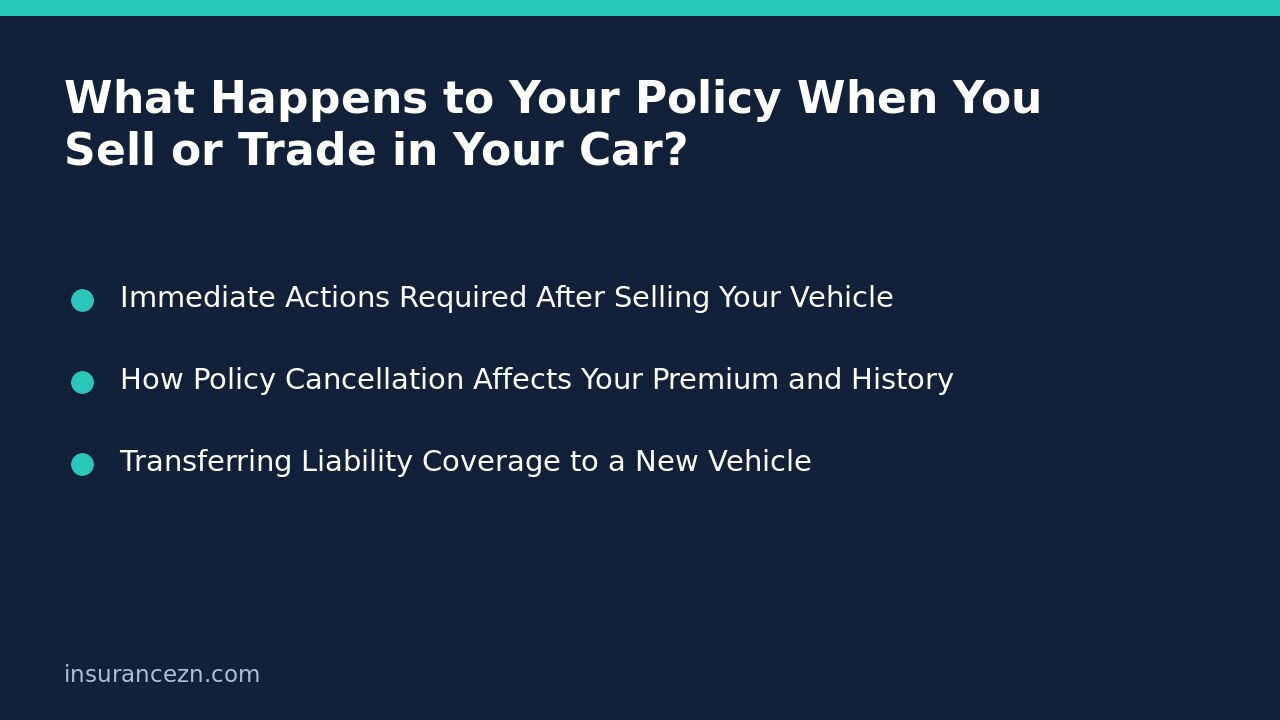
Immediate Actions Required After Selling Your Vehicle
The moment you finalize a private sale or complete a trade-in transaction at a dealership, the clock starts ticking on administrative duties. The most critical step is notifying your insurance provider within 24 to 48 hours. Most insurers have strict guidelines regarding policy cancellations; some may charge a short-notice cancellation fee if you do not provide sufficient lead time.
To ensure a clean break, gather all relevant documents before contacting your agent. These typically include the bill of sale, the title transfer receipt, and any payoff statements if there was an existing loan on the vehicle. When calling your insurer, clearly state that you are selling the vehicle and request a formal cancellation effective immediately or as soon as administratively possible. Ask for a written confirmation of the cancellation date and a detailed breakdown of your final premium charges.
It is also vital to check whether your policy includes “non-owned auto” or “permissive use” clauses. In some cases, if you allow someone else to drive the car after selling it (before the buyer takes possession), your liability coverage might still apply until the title officially transfers. However, once the sale is complete, any accidents involving that vehicle could jeopardize your record if the insurer believes you misrepresented the status of the asset.
How Policy Cancellation Affects Your Premium and History
Canceling your policy does not erase your driving history or your credit profile, but it does impact how future premiums are calculated. If you cancel because you sold your car, this is considered a neutral event; your clean driving record remains intact. However, if you cancel due to non-payment or fraud, that mark will appear on your report and significantly increase costs later.
Insurers often use the concept of “term assurance” when calculating rates. When you sell your car, you are essentially terminating a contract early. Depending on how long you held the policy, you may receive a refund for the unused portion of your premium. This is usually calculated on a pro-rata basis. Be aware that some insurers deduct administrative fees from this refund, so the cash-back amount might be less than expected.
Furthermore, maintaining continuous coverage is beneficial for avoiding surcharges. If you sell your car and then immediately buy another one, ensuring there is no gap in your liability coverage is essential. A lapse in insurance can lead to higher premiums when you eventually seek new quotes, even if the sale itself was legitimate. Some states require drivers to prove six months of continuous insurance history before applying for a policy; selling your car and taking too long to secure new coverage could disrupt this timeline.
Transferring Liability Coverage to a New Vehicle
If you are buying a new or used car simultaneously with selling your old one, the timing of your policy updates is crucial. Ideally, you should have liability coverage in place before you drive the new vehicle off the lot or register it in your name. Many insurers offer “gap coverage” or temporary policies that can bridge the time between selling your old car and finalizing the registration on a new one.
When updating your policy for a new vehicle, provide the exact make, model, year, and Vehicle Identification Number (VIN). Insurers may require a photo of the front and back license plates or the title before issuing a new quote. It is important to distinguish between adding a new car to an existing policy versus starting a new one. Adding a new car often comes with a discount compared to opening a fresh file, provided you have maintained good standing with the current insurer.
Do not assume that your old policy automatically transfers to the new car. Coverage follows the insured person only if the vehicle is listed on the policy. If you switch vehicles without updating the policy, you are driving uninsured. This is particularly risky in states where insurance is mandated by law. Always verify that the new policy includes comprehensive and collision coverage if required by your lender or lease agreement for the new asset.
Common Mistakes to Avoid During the Transition
One of the most frequent errors made by car owners is delaying the notification of their insurer. Waiting until the next billing cycle to cancel a policy can result in paying for months of coverage on a vehicle that has already been sold. This not only wastes money but can also complicate tax deductions or claims if an accident occurs during that overlap period.
Another common mistake involves failing to update the address or contact information after moving into a new home with a new car. Insurers use location data to assess risk; driving in a high-crime area or a region prone to severe weather could increase your rates if not accurately reported. Ensure that your zip code and annual mileage estimates are updated to reflect your new reality.
Some drivers mistakenly believe they can simply keep their old policy active while waiting for the new one to be processed. This creates a dangerous overlap where you might be paying double premiums without realizing it, or conversely, find yourself underinsured if the old policy lapses before the new one activates. Always request proof of insurance (a binder) before driving the new vehicle and ensure the cancellation letter from your old insurer is filed away for your records.
Real-World Scenario: The Smooth Transition Checklist
Consider the scenario of Sarah, who decides to trade in her five-year-old sedan for a more fuel-efficient electric vehicle. On Tuesday morning, she signs the paperwork at the dealership, receives her title transfer documents, and drives the new car home. By Wednesday afternoon, she contacts her insurance agent to cancel the old policy and add the new vehicle.
Sarah’s checklist for a successful transition includes:
1. Gather Documents: Keep the bill of sale, trade-in agreement, and new title handy.
2. Contact Insurer: Call the retention department to schedule cancellation and request a pro-rata refund check.
3. Verify Cancellation Date: Confirm the exact date coverage ends on your old policy to prevent overpayment.
4. Update New Policy: Provide VIN details and ensure comprehensive/collision limits match lender requirements.
5. Receive Proof of Insurance: Get a digital or physical card for the new car before driving it on public roads.
6. File Cancellation Letter: Email or mail the cancellation confirmation to your personal files for future reference.
By following these steps, Sarah avoids paying for coverage she no longer needs and ensures her new vehicle is protected from day one. This proactive approach minimizes stress and maximizes financial efficiency during the inevitable process of upgrading your transportation.