
Selecting life insurance is one of the most critical financial decisions a family can make, yet it is often shrouded in confusion and fear. Many parents worry that they are making a mistake if they do not understand the difference between term and permanent coverage or how to calculate an adequate death benefit. The good news is that the process is logical when broken down into specific steps. To choose the right life insurance policy, you must first determine your family’s financial obligations, assess your risk tolerance, compare policy types, and review your options with licensed professionals. This guide provides a clear roadmap to navigating the market without getting lost in jargon or misleading sales pitches.
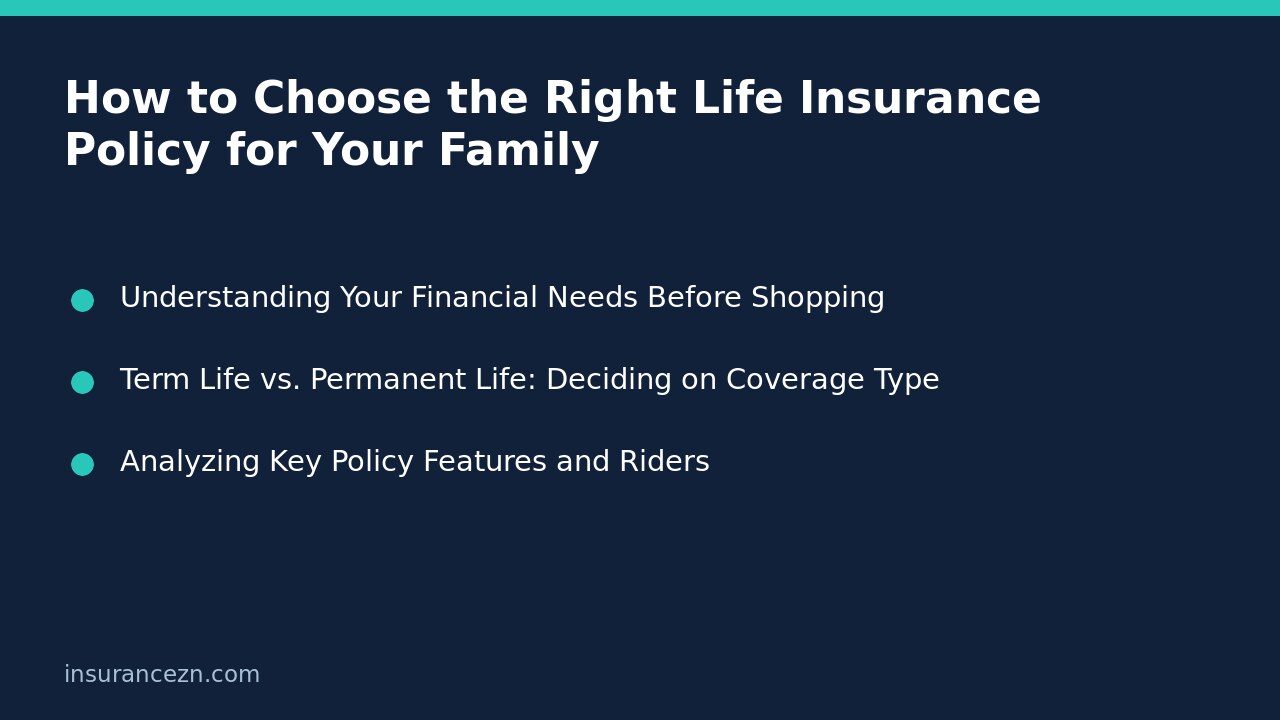
Understanding Your Financial Needs Before Shopping
Before looking at premiums or policy riders, you must calculate how much money your family would realistically need if you were no longer earning an income. This number is known as your “death benefit.” A common mistake is buying too little coverage because of budget constraints, which can leave a family destitute in a crisis. Conversely, over-insuring can unnecessarily strain your current finances with high premiums.
To estimate your needs, start by listing your immediate debts, such as mortgages, car loans, and credit card balances. Next, consider future expenses like college tuition for children or costs associated with caring for aging parents. You should also factor in the income replacement needed to keep the household running until other assets are liquidated.
The Human Life Value Approach
A practical method is the “human life value” approach, which estimates the present value of your future earnings. For example, if you plan to work until age 65 and earn an average of $80,000 annually after inflation adjustments, you might need coverage that covers those years. However, this calculation must be adjusted for existing savings, Social Security survivor benefits, and final expense costs like funeral services.
Term Life vs. Permanent Life: Deciding on Coverage Type
Once you have a target death benefit number, the next step is choosing the structure of the policy. The two primary categories are term life insurance and permanent life insurance (such as whole life or universal life). Each serves different purposes within a family’s financial plan.
Term life insurance provides coverage for a specific period, typically 10, 20, or 30 years. It is generally much more affordable because it offers pure protection without an investment component. This type of policy is ideal for families with temporary needs, such as paying off a mortgage or raising young children who will eventually become financially independent. If the insured passes away during the term, the beneficiary receives the payout; otherwise, the coverage expires.
Permanent life insurance covers you for your entire lifetime, provided premiums are paid. It includes a cash value component that grows tax-deferred over time. While the premiums are significantly higher than term life, permanent policies can serve as part of an estate planning strategy or a source of liquidity in retirement. However, they are not necessary for every family and should only be chosen if there is a specific need for lifelong coverage or investment growth within insurance.
Analyzing Key Policy Features and Riders
Not all policies are created equal, even within the same category. When reviewing quotes, pay close attention to the fine print regarding exclusions and riders. A rider is an add-on feature that customizes your policy. Common useful riders include:
- Accidental Death Benefit: Pays an additional sum if death occurs due to an accident.
- Waiver of Premium: If the insured becomes disabled and cannot work, the insurance company waives future premium payments while keeping the policy active.
- Child Term Rider: Provides low-cost coverage for young children, ensuring they are protected if something happens to both parents.
Be wary of exclusions that might void your claim. Most policies exclude death resulting from suicide within the first two years or death caused by illegal activities or high-risk hobbies like professional racing. Always read the policy document thoroughly rather than relying solely on marketing brochures.
The Importance of Shopping Around and Comparing Quotes
Insurance prices vary widely between carriers based on their underwriting guidelines, claim-paying ratios, and customer service reputations. Never settle for the first quote you receive. It is standard practice to obtain quotes from at least three different insurers. You can get these quotes online or through independent brokers who work with multiple companies.
When comparing quotes, look beyond just the premium cost. Consider the financial strength rating of the insurer (often provided by agencies like A.M. Best), their customer service reviews, and the ease of their claims process. A slightly higher premium from a highly rated carrier might be worth it to ensure that your family receives the promised payout quickly and fairly when you are not there to negotiate.
Common Mistakes to Avoid When Buying Life Insurance
Even with research, buyers often fall into traps that cost them money or protection later. One frequent error is delaying the purchase until a “better time” arrives. Your age and health status are the primary factors in pricing; waiting increases your risk of developing conditions that could lead to higher premiums or denial of coverage. Another mistake is using online calculators exclusively without consulting a professional. Algorithms cannot account for unique family dynamics, such as blended families or specific estate tax liabilities.
Additionally, avoid purchasing policies with excessive riders that you do not understand. Every rider adds to the cost, and some may be redundant if you already have savings or other insurance in place. Finally, do not forget to update your beneficiaries regularly. Life events like marriage, divorce, or the birth of a child require policy updates to ensure the correct people receive the funds.
Real-World Example: Calculating Coverage for a Growing Family
To illustrate the process, consider the case of Sarah and Mark, who have two young children and a $300,000 mortgage. They earn a combined household income of $120,000 annually. Using the human life value approach, they calculate that if one parent were to pass away, the surviving spouse would need approximately six years of income replacement ($720,000) plus the full mortgage payoff and college funds for both children. After accounting for their existing savings of $50,000 and expected Social Security benefits, they determine a death benefit of $600,000 is appropriate. They choose a 30-year term life policy because their primary financial obligations (the mortgage and child-rearing) will likely be resolved within that timeframe, keeping costs manageable while ensuring maximum protection during the critical years.
Final Steps Before Signing Your Policy
Once you have selected a carrier and finalized your coverage amount, the application process begins. This usually involves answering health questions and undergoing a medical exam or providing blood work results. It is crucial to answer every question truthfully. Misrepresenting your health history can lead to a claim being denied years later, even if the error was unintentional.
After receiving approval and paying the initial premium, you should store the policy documents in a safe but accessible location and provide copies to your spouse or executor. Set a calendar reminder to review your policy every few years or after any major life event. Choosing the right life insurance policy is an act of love and responsibility that secures your family’s future against the uncertainty of loss.