
Navigating the hours immediately following a car accident can feel overwhelming, but understanding the claims process demystifies the path to recovery. The most critical step is ensuring safety and securing evidence while you are still on the scene. If you have been involved in a collision, your insurance provider will likely require specific documentation to validate liability and assess damage. This guide outlines the chronological steps from the moment of impact to final settlement, helping you prepare necessary documents, communicate effectively with adjusters, and avoid common pitfalls that could delay compensation or worsen your legal standing.
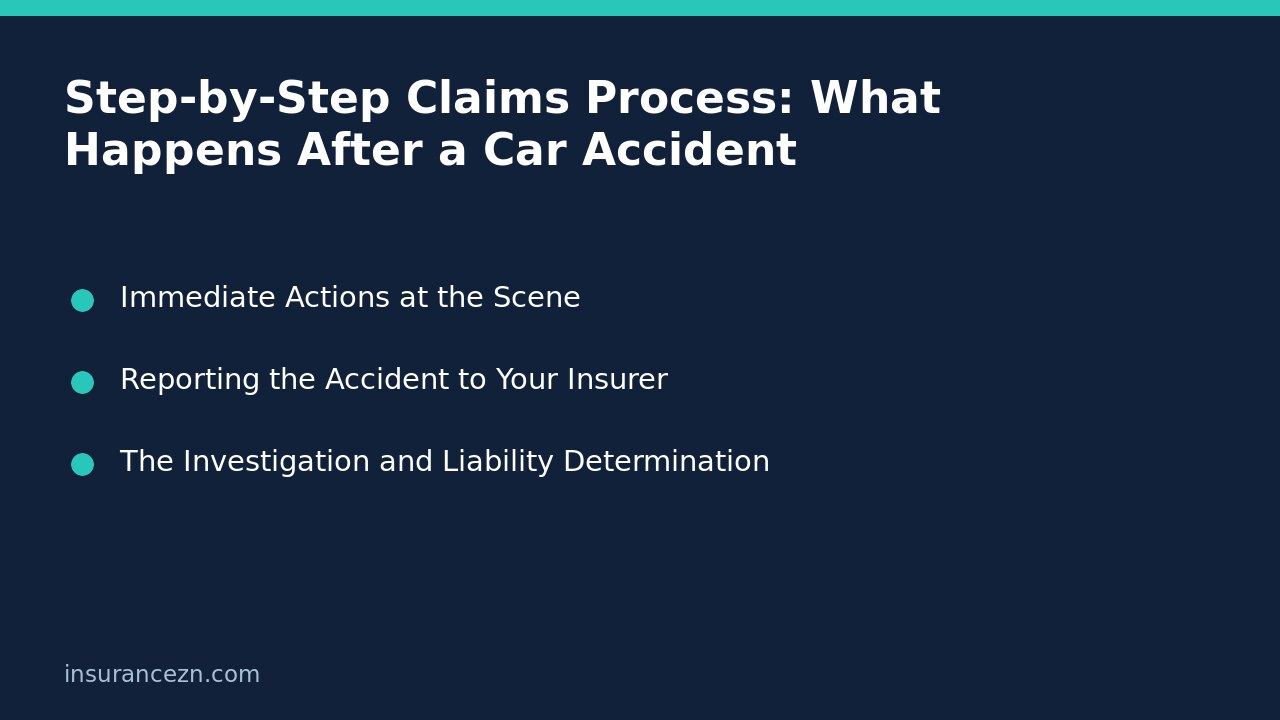
Immediate Actions at the Scene
Before contacting your insurance company, there are practical steps you must take to protect yourself and build a strong claim foundation. First, check for injuries and call emergency services if anyone is hurt. Do not move vehicles unless they pose an immediate danger; moving them can sometimes alter critical evidence regarding how the crash occurred. Once safety is secured, exchange information with the other driver(s), including names, contact details, insurance policy numbers, and license plate numbers.
Crucially, document the scene thoroughly. Take photographs of vehicle damage from multiple angles, visible injuries, skid marks, road conditions, traffic signs, and weather patterns. These images serve as irrefutable proof later if there is a dispute about fault. If possible, gather contact information from independent witnesses who saw the accident. Many insurers offer mobile apps that allow you to upload photos and notes directly from your phone, which can streamline the initial report submission.
Reporting the Accident to Your Insurer
The clock starts ticking on your claim once you notify your insurance provider. Most policies require you to report an accident within a specific timeframe, often 24 to 72 hours, though some carriers have stricter limits. Delays in reporting can lead to claim denials based on policy language regarding timely notification. When you call or log into your insurer’s portal, have your policy number and the date, time, and location of the accident ready.
Provide a clear, factual account of what happened without speculating about liability or admitting fault. Insurance adjusters are trained to determine liability based on evidence and police reports, not just your recollection at the scene. Be prepared to answer questions about weather conditions, road surface, vehicle speed, and any mechanical issues with your car that might have contributed to the crash. Keep a written log of all communications with your insurer, including the date, time, and name of every representative you speak with.
The Investigation and Liability Determination
Once reported, your insurance company will assign an adjuster to investigate the claim. This professional will review your statement, examine the photos you provided, and often request a copy of the police report. If law enforcement attended the scene, they will issue a report detailing their observations and potentially assigning fault based on traffic laws. In some jurisdictions, police reports are not immediately available; your adjuster may need to order it directly from the department.
The adjuster will also inspect your vehicle to estimate repair costs. They might send an independent appraiser or instruct you to take your car to a preferred repair shop for an initial assessment. This phase is where liability is officially determined. If the other driver was fully at fault, your own insurer may cover your damages under collision coverage and then seek reimbursement from the at-fault party’s insurer through subrogation. Understanding this process helps manage expectations regarding who pays for what repairs.
Medical Evaluation and Damage Assessment
Even if you feel fine immediately after a crash, adrenaline can mask symptoms of whiplash, concussions, or internal injuries. It is essential to seek medical attention promptly. Many insurance policies have strict clauses stating that failure to report an injury within a certain period could result in claim denial. Your doctor’s notes become part of your claim file and are vital for establishing the link between the accident and your injuries.
Simultaneously, get a written estimate for vehicle repairs. If you dispute the adjuster’s initial valuation, you have the right to obtain estimates from independent repair shops. However, be cautious about agreeing to “total loss” settlements too quickly. A car is considered totaled if repair costs exceed a certain percentage of its actual cash value (ACV), typically around 70% to 80%, though this varies by state and insurer. Ensure the settlement offer accounts for depreciation accurately and does not undervalue your vehicle.
Negotiating Settlements and Finalizing Claims
Negotiation is often necessary before a claim is closed. If the initial offer from your insurer seems low, gather additional evidence such as medical bills, rental car receipts, and proof of lost wages due to injury. Present this documentation clearly to your adjuster, explaining how the accident has impacted your life financially and physically. Be polite but firm; adjusters often have authority to settle within a specific range, so presenting a well-documented counteroffer can yield a better result.
Once an agreement is reached, you will receive a settlement check or direct deposit. This payment usually covers medical expenses (up to policy limits), vehicle repairs or replacement, and sometimes lost income depending on your coverage type. Read the terms of the final settlement carefully before signing any release forms. Signing a release waives your right to further claims related to that incident, so ensure all damages are accounted for. If you have comprehensive coverage, remember that this may involve a premium increase at renewal, known as an experience modification surcharge in some regions.
Common Mistakes to Avoid
Many claimants inadvertently jeopardize their outcome by making avoidable errors. One frequent mistake is discussing the accident details with friends, family, or social media contacts before consulting legal counsel if injuries are severe. Insurers may use out-of-court statements against you to argue comparative negligence. Another error is delaying medical treatment; insurers often scrutinize gaps between the accident date and first doctor visit to claim your injuries were pre-existing or unrelated.
Avoid signing any documents from unverified entities claiming they can “guarantee” higher settlements, as these are frequently scams. Stick to official channels provided by your insurance carrier. Additionally, do not accept the first offer without reviewing it against your bills and repair estimates. Finally, keep all receipts for out-of-pocket expenses related to the accident, such as towing fees, rental car costs, and over-the-counter pain medication, as these may be reimbursable depending on your policy structure.
Real-World Example: The Smith Family Collision
Consider the case of the Smith family, who were rear-ended while stopped at a red light. Mr. Smith took photos of the damage, exchanged info, and called his insurer within two hours. He visited the ER the next day due to neck pain, which was later diagnosed as whiplash requiring physical therapy. His insurer assigned an adjuster who initially offered $4,500 for medicals and repairs. Mr. Smith provided itemized bills totaling $6,200 and a repair estimate of $3,800 (the car being totaled). By presenting this data and noting the clear police report citing the other driver’s negligence, he negotiated a final settlement of $7,100 covering all costs plus a small buffer for future therapy. This example highlights the importance of documentation and persistence in achieving a fair outcome.
Conclusion
The claims process after a car accident is methodical, requiring patience and organization. By securing the scene, reporting promptly, maintaining medical records, and negotiating informedly, you can navigate insurance procedures with confidence. Always remember that terms, availability, eligibility, laws, and prices depend on your specific insurer, policy details, and local jurisdiction. This guide provides general information and does not constitute individualized financial or legal advice. For complex cases involving severe injuries or disputed liability, consulting with a qualified attorney specializing in personal injury law may be the prudent next step to protect your rights and ensure full compensation.