
Car insurance premiums can feel like a necessary evil, often rising alongside inflation and repair costs. However, the cost of your coverage is rarely fixed; it is a dynamic calculation based on your driving history, vehicle type, location, and policy choices. By understanding how insurers determine risk, you can actively manage this expense without compromising the protection you need. This guide breaks down proven strategies to reduce your monthly bills, ensuring you maintain financial stability while staying compliant with legal requirements.
Before diving into specific tactics, it is crucial to understand that insurance terms, availability, eligibility, laws, and prices vary significantly by insurer, policy type, and jurisdiction. The advice provided here is informational and does not constitute individualized financial or legal advice. Always verify specific rules and current rates with licensed agents in your area, as regulations change frequently regarding minimum coverage limits and discount eligibility.
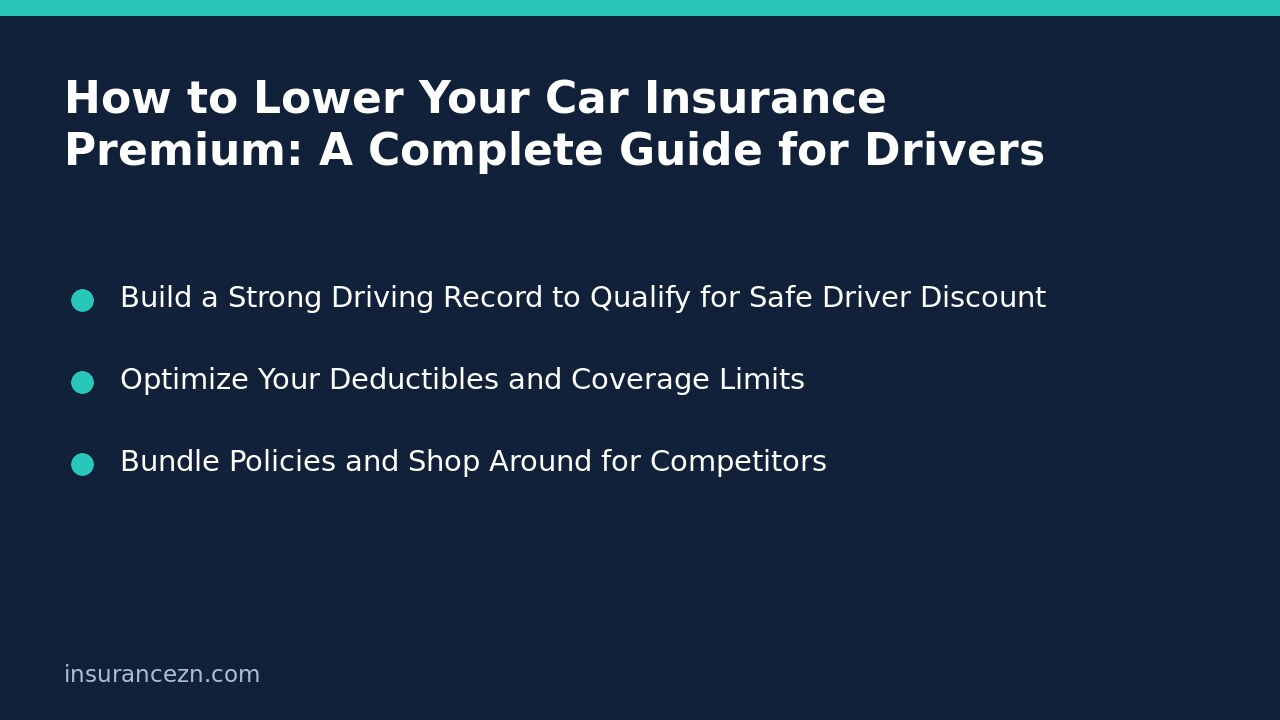
Build a Strong Driving Record to Qualify for Safe Driver Discounts
The single most influential factor in your premium is your claims history and driving record. Insurers view accidents, at-fault collisions, and traffic violations as high-risk indicators. Conversely, a clean record over time signals reliability.
To leverage this, you must wait out the “waiting period” after an incident. Most insurers will not offer safe driver discounts for three to five years following a claim or ticket. During this time, focus on defensive driving techniques to prevent new incidents. Once the waiting period passes, proactively ask your agent if you qualify for a “safe driver” discount. In many regions, completing an accredited defensive driving course can also reset your record or provide a specific percentage off your premium, sometimes ranging from 5% to 20%.
Optimize Your Deductibles and Coverage Limits
One of the quickest ways to lower your monthly payment is by adjusting your deductible—the amount you agree to pay out of pocket before insurance kicks in. There is often an inverse relationship between your deductible and your premium: raising your comprehensive and collision deductible from $500 to $1,000 can significantly reduce your monthly cost.
However, this strategy requires a realistic assessment of your finances. If you raise your deductible, ensure you have the cash savings available to cover that higher amount in the event of an accident. Similarly, review your coverage limits. While it is tempting to drop collision or comprehensive coverage on older vehicles with low market values, remember that liability-only policies may not protect you if you are at fault in a severe accident. Find the balance point where your out-of-pocket risk is manageable but never exceeds your vehicle’s actual cash value.
Bundle Policies and Shop Around for Competitors
Insurers frequently offer multi-policy discounts to retain customers who purchase more than one product from them. If you currently hold renters or homeowners insurance, ask if bundling these with auto insurance yields a discount. These “loyalty” or “multi-policy” savings are often substantial, sometimes exceeding 20% of your total premium.
Do not assume you have the best rate on your current policy. The insurance market is competitive, and rates change monthly based on your data updates. Set a calendar reminder to review your quotes every six months. Even if you switch carriers, try to match or beat your current provider’s offer before finalizing a cancellation. When shopping around, be prepared to provide detailed information about your vehicle, driving history, and desired coverage limits to ensure accurate comparisons.
Leverage Technology and Safety Features for Discounts
Modern vehicles come equipped with safety technologies that can lower your risk profile in the eyes of insurers. Many companies offer discounts for cars equipped with anti-lock brakes (ABS), electronic stability control, and advanced driver-assistance systems (ADAS) like automatic emergency braking or lane-keeping assist. These features reduce the likelihood of accidents and severity of crashes.
Furthermore, telematics programs are becoming increasingly popular. These apps monitor your driving behavior, such as speed, braking habits, time of day you drive, and mileage. By driving safely and avoiding late-night trips, you can earn significant discounts. Some insurers even offer “usage-based insurance” plans where you only pay for the miles you drive. Be aware that installing telematics devices or downloading apps may require granting location access, so review your privacy policy to understand how your data is used.
Maintain Continuous Coverage and Improve Credit Score
Lapses in coverage are a major red flag for insurers. If you let your policy expire even for a few days, you risk losing eligibility for the best rates and potentially facing higher premiums when you try to reinstate coverage. To avoid this gap, consider setting up automatic payments or keeping a small portion of your premium as a reserve fund. Some insurers also offer discounts for maintaining continuous coverage, rewarding drivers who have never let their policy lapse in the past few years.
In many jurisdictions, your credit-based insurance score plays a role in determining your premium. While controversial and not used in all states (such as California, Hawaii, and Massachusetts), a strong credit history often correlates with lower claim frequencies. Paying bills on time and reducing debt can improve your credit score, which may eventually translate to lower insurance costs. Check with your specific insurer to see if they use credit scores and request information on how to qualify for better pricing in your region.
Real-World Example: Calculating Potential Savings
Consider a driver named Sarah who currently pays $150 per month for car insurance. She owns a five-year-old sedan with anti-lock brakes but has not utilized any discounts. Her deductible is set at $500, and she does not bundle her policies.
By implementing the following steps:
1. Bundling: She adds her renters insurance to her auto policy, earning a 25% discount ($37.50 savings).
2. Deductible Increase: She raises her deductible from $500 to $1,000, saving an additional $25 per month.
3. Safety Features: She confirms her car qualifies for the anti-theft and safety technology discount, adding another $10 savings.
4. Usage-Based Program: She enrolls in a telematics program and maintains safe driving habits for six months, earning a 10% discount on her remaining balance ($15 savings).
In this scenario, Sarah’s new monthly premium drops to approximately $97.50, resulting in a total annual saving of roughly $690. This example illustrates that small adjustments can compound into significant financial relief over time.
Final Thoughts on Managing Insurance Costs
Lowering your car insurance premium is an ongoing process rather than a one-time fix. It requires regular review of your policy, maintenance of a clean driving record, and proactive communication with your insurer. By understanding the factors that influence your rate—such as location, vehicle type, coverage limits, and discounts—you can make informed decisions to keep your finances healthy. Remember to always consult with licensed professionals in your jurisdiction to ensure any changes comply with local laws and meet your specific protection needs.