To identify who actually insures an Australian life policy, start with the legal insurer named in your policy documents, not just the logo on an advertisement. Then compare that legal name with the Australian Prudential Regulation Authority register. A familiar brand, distributor or super fund name may not be the same entity as the company carrying the insurance risk.
This check is useful when sorting old paperwork, helping a family member locate a policy, or comparing products sold under different brands. It establishes an identity trail. It does not establish that your policy is current, suitable or payable for a particular claim.
Separate the brand, issuer and contact point
Open your policy schedule, relevant Product Disclosure Statement and any later notices. Look for wording identifying the insurer or issuer, together with its full legal name and identifiers where provided. Record the document date as well: an older document may not reflect subsequent changes.
Make a short record with separate fields for the marketing brand, legal insurer, policy number, policy owner and servicing contact. If cover is arranged through super, also record the fund and membership number. Do not treat a fund name or adviser business name as proof of the insurer’s identity.
Where the documents describe multiple organisations, ask the policy servicing team which organisation insures the benefit and which handles enquiries or claims. Different roles are not automatically evidence of a problem, but they should be understandable before you send sensitive information or rely on instructions.
Use the official APRA register carefully
The APRA list of registered life insurers and friendly societies identifies institutions licensed by APRA to operate within Australia’s financial system. The page separates life insurance companies from friendly societies. Search both relevant sections rather than assuming every life insurance provider will appear in the first table.
Compare the complete entity name, not just a shared word. A corporate group can include more than one legal entity. The register also includes some previous names; where your older paperwork uses one, treat that as a reason to investigate the connection, rather than guessing from similar branding.
The register is an identity and regulatory-status resource, not a product recommendation or a directory showing every policy available for new purchase. Finding an entry does not mean that an institution offers the product you want, or that a specific claim will meet contractual conditions.
Work through a mismatched-name example
Suppose an old schedule displays a consumer brand prominently but names a different legal insurer in smaller text. A recent email uses a third servicing name. This hypothetical situation calls for reconciliation, not immediate cancellation.
- Copy the legal insurer name exactly from the schedule, keeping the schedule date.
- Compare it with the APRA register and any previous-name information shown there.
- Read later policy notices for an explanation of changed names or arrangements.
- Use contact details independently obtained from established policy records or the insurer’s official website to confirm the present insurer and servicing team.
- Ask for written confirmation linking your policy number to the current arrangement.
If the name still does not match, explain the discrepancy to the provider. Do not conclude solely from an unsuccessful text search that the policy is fraudulent or invalid. Equally, do not accept an unexplained assertion in an unsolicited message as sufficient evidence.
Keep registration separate from policy and claim checks
After establishing the legal entity, ask separately whether your policy is in force, which benefits are recorded, and where a claim should be lodged. Check exclusions, definitions, premium status and any relevant conditions in the actual contract. APRA registration does not answer those questions.
This separation also matters when comparing claims information. Our guide to reading Australian life insurance claims statistics explains why statistics need context. Neither a register entry nor a broad claims figure substitutes for understanding your own benefit wording.
Questions families often ask
Should I replace cover because the brand changed? A branding discrepancy alone is not a sound basis for replacing insurance. First clarify what changed and whether your contract was affected. Replacement can involve different conditions and assessment; obtain appropriate advice before cancelling existing cover.
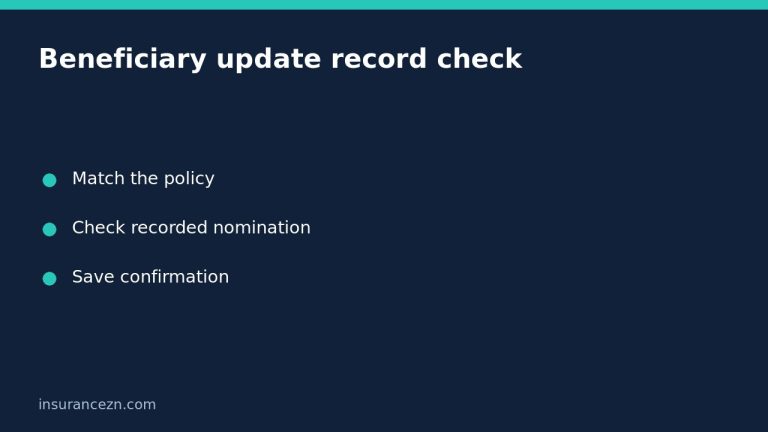
What should I save? Keep the dated schedule, relevant PDS, later notices and written identity confirmation together. Save verified servicing details where the policy owner or authorised family representative can locate them securely.
This is general information for Australian readers, not personal financial advice. Life insurance benefits depend on your policy terms, PDS, exclusions and individual circumstances. The APRA register does not guarantee claim payment or establish product suitability. Ask the insurer or super fund to confirm your own cover and seek licensed advice where needed.