
If your service business starts selling products, ask your insurer or broker to review the actual goods and sales activities before the first order. A policy arranged for your previous work is not evidence that the new activity has been accepted. Separate liability for injury or damage caused by products from protection for your own stock.
This is general information for Australian readers, not personal financial advice. Cover depends on the applicable policy wording, Product Disclosure Statement (PDS), schedule, endorsements, limits and exclusions. Obtain advice about your circumstances where needed.
Describe what is changing, not just the new business label
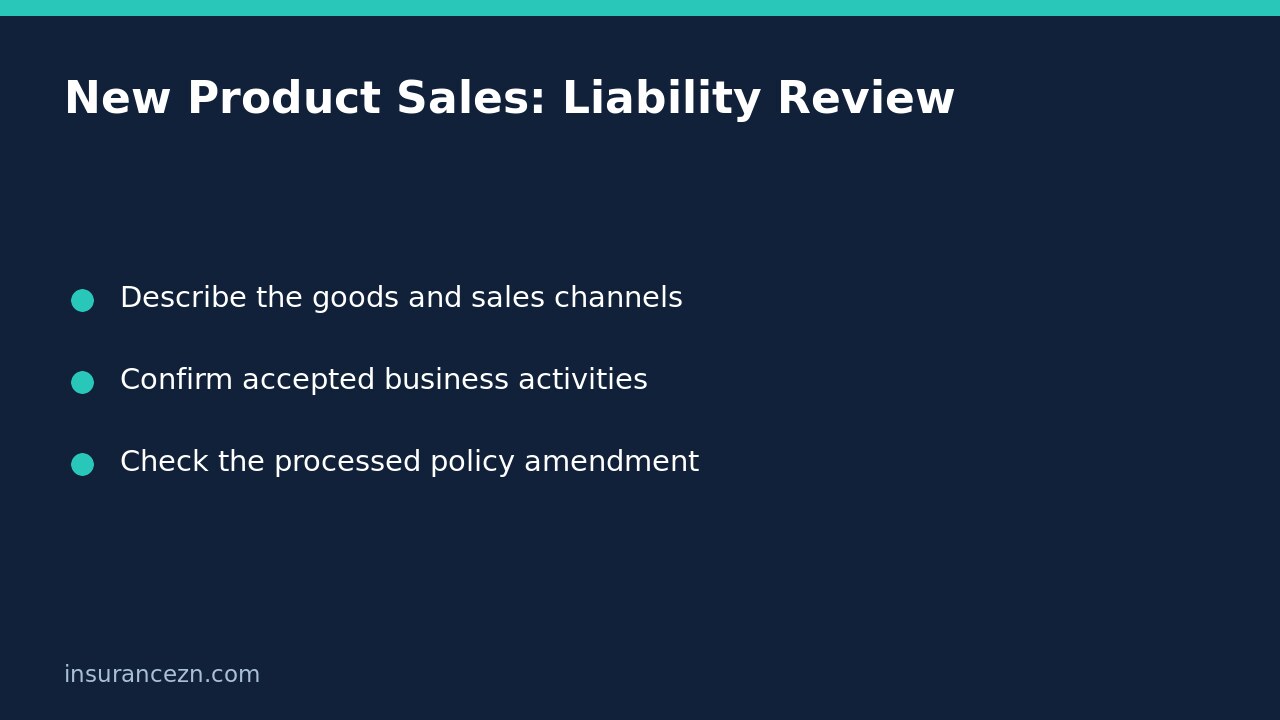
A description such as ‘adding retail’ may leave important facts unclear. Explain what you will sell, who supplies or makes it, whether you alter or repackage it, and where customers will receive it. Include online sales, in-person collection and delivery arrangements where relevant. Ask which other details the insurer needs rather than assuming a familiar occupation label answers every question.
For example, consider a hypothetical cleaning business that plans to sell bottled cleaning products after appointments. Its existing service work and the proposed sale of goods are different facts to describe. If it intends to mix, refill or relabel those products, disclose that too. Do not select a simpler description merely because it produces an easier quote.
Separate products liability from cover for your inventory
AAMI’s public liability overview describes public and products liability for business activities or products that accidentally injure someone other than an employee, or damage their property. This is a provider-specific summary, not a statement that every business policy covers every product.
The same page lists contents and stock, theft and other covers separately. That distinction matters: asking whether products liability is included does not answer whether your own unsold inventory is insured against a particular loss. Likewise, a stock sum insured does not establish liability protection if a customer alleges harm.
Keep separate questions for customer allegations, damage to your inventory, and costs such as refunds or removing goods from sale. Ask explicitly about the last group; do not assume ordinary products liability pays every commercial consequence of a product problem.
Send a focused amendment request
Use the existing policy reference and provide a concise written change summary. A useful request contains:
- The current insured legal entity and trading name.
- The existing services and the proposed goods, including their intended use.
- Your role as seller, manufacturer, importer or other relevant participant.
- Sales channels, delivery locations and the planned first sale date.
- Any additional information requested by the insurer about volumes, suppliers or product handling.
Ask whether the exact activities and products can be accepted, which section would respond to the described liability risk, and what restrictions apply. If a broker sends the request, ask for the insurer’s outcome rather than treating the broker’s acknowledgement as completed acceptance.
Reconcile acceptance with the policy documents
A submitted change request, an automatic email or payment of an additional premium is not sufficient evidence by itself that the correct amendment has been processed. Request written confirmation of the accepted activities and effective date, together with the updated schedule or endorsement where applicable.
Compare those documents with your original description. Check that the insured entity is right and that the new wording does not omit a material part of the proposed operation. If the response is unclear, resolve it before relying on the amendment; do not assume it applies retrospectively to earlier sales.
If you need to send proof of insurance to a customer or venue, our certificate of currency checklist explains what to review. A certificate should not replace checking the underlying scope and exclusions.
Quick questions before opening orders
Does selling another manufacturer’s goods remove the need to ask? No. Describe your actual role and ask how the contract treats it; do not infer acceptance from the supplier’s insurance.
Does insurer acceptance certify that the product is safe or legally compliant? No. Insurance acceptance is a different question from product safety, labelling and other operating obligations. Obtain appropriate specialist guidance separately.
What should I keep? Retain the disclosure you sent, the dated response, updated documents and any outstanding requirements. If sales change again, revisit the accepted description instead of relying indefinitely on the first amendment.