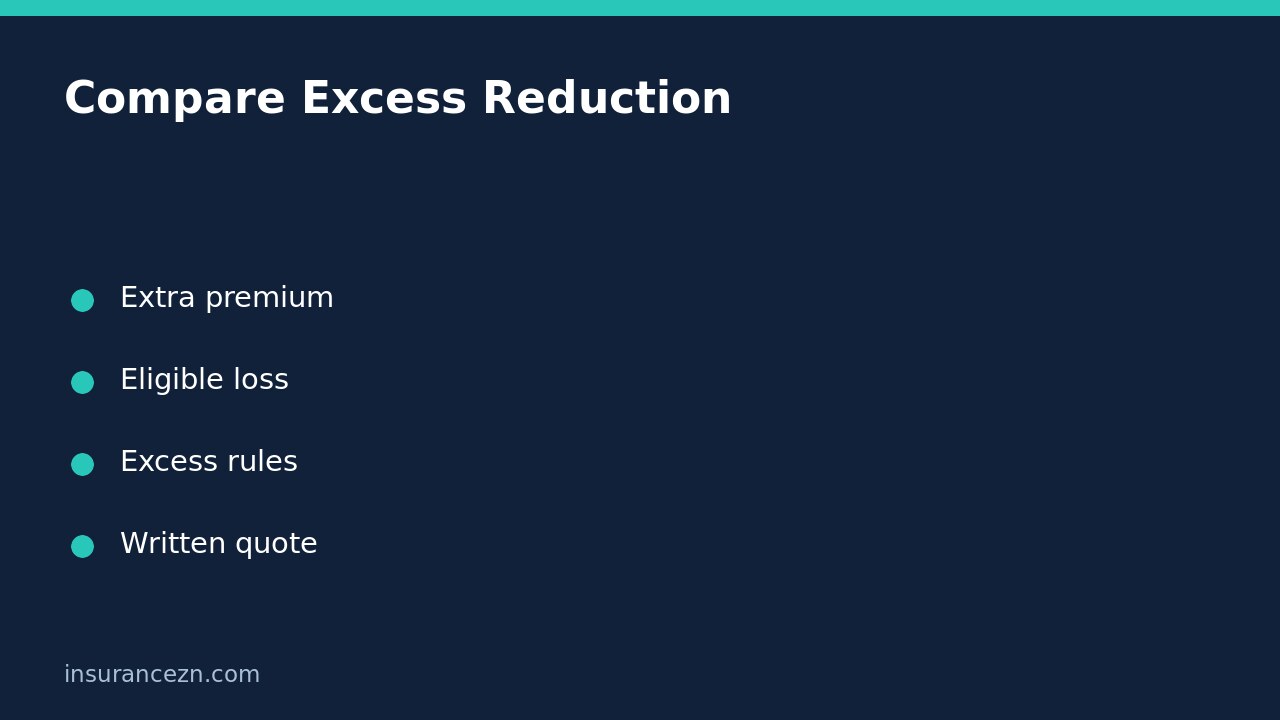

A lower travel insurance excess can make a small eligible baggage claim more useful, but it does not turn an excluded loss into a covered one. Before paying for excess reduction, compare the additional premium with the amount you would actually recover under each option. Keep medical protection, destination eligibility and activity cover in the comparison rather than choosing a policy solely around a missing bag.
This is general information for Australian readers, not personal financial advice. Benefits, excesses and exclusions depend on the policy, Product Disclosure Statement (PDS), schedule and any accepted amendments. The examples below are comparison exercises, not insurer quotes or guaranteed claim outcomes.
Start with the excess that applies to baggage
Smartraveller’s travel insurance guidance specifically recommends checking baggage excesses and considering whether paying extra to reduce or remove an excess suits your needs. It also warns that an excess can exceed the value of the items you take. That makes the question practical: what would remain payable after the actual policy rules are applied?
Obtain two written quotes for the same travellers, route, dates and benefits. Change only the excess option where possible. If choosing a different plan changes limits or exclusions too, record those differences separately. Otherwise you could mistake broader benefits for the effect of excess reduction.
- Find the baggage section’s applicable excess, not just the headline figure.
- Check which benefit sections the reduction applies to and which retain another excess.
- Ask whether an excess applies per event, claim, person or another defined unit.
- Check whether additional excesses or special conditions remain.
Compare a small loss without assuming full replacement payment
Use an item you actually intend to carry, such as a modest suitcase or everyday jacket. Record its purchase evidence, age, replacement cost and the relevant policy limit. Ask how the insurer assesses its value. Do not assume a shop’s current replacement price equals the eligible claim amount.
On your worksheet, make separate columns for the item’s value, the amount eligible before excess, the applicable excess and the possible remaining benefit. For a simple illustration, if the entire eligible amount would be absorbed by one option’s excess, that option would leave nothing payable for that assumed loss. A lower excess might leave part payable, but only if the event and item are covered in the first place.
Now add the extra premium for the lower-excess quote. This is money you pay whether or not anything happens. Compare it with the possible improvement for that particular scenario; do not present that improvement as a prediction that a claim will occur.
Test an excluded loss as well as an accepted one
Repeat the exercise using a scenario where the policy excludes the event, such as an item left unattended under the policy’s definition. Excess reduction does not remove that exclusion. A large baggage limit likewise does not establish cover for every place an item might be lost.
For higher-value possessions, first read our single-item baggage-limit comparison. Item limits answer a different question from excesses: one can cap the amount considered, while the other can reduce what remains payable. Both need checking before a comparison is meaningful.
Keep a cash and document check alongside the premium
Consider whether you could absorb the chosen excess without disrupting the trip. Also ask how claims work if you need to replace essentials while away. A lower excess does not itself promise immediate reimbursement, a cash advance or approval to buy replacements.
Before purchasing, save the dated quote, PDS version and selected excess. After payment, check the issued schedule actually records the selection. An online change request or automated acknowledgement is not proof that an amendment has been accepted and processed. If the documents disagree, ask the insurer to reconcile them and confirm the effective date before relying on the change.
Quick questions before you pay
Does zero excess mean every lost item is reimbursed? No. Eligibility, exclusions, evidence requirements and item limits still matter.
Should I always select the cheapest premium? Compare what that option leaves you funding, including its excess, and whether the whole policy suits the trip. This worksheet cannot choose a product for your circumstances.
What should I keep? Retain the two quotes, the comparison notes and the final policy documents. Keep ownership evidence securely and ask the insurer about any reporting or supporting-document requirements before departure.