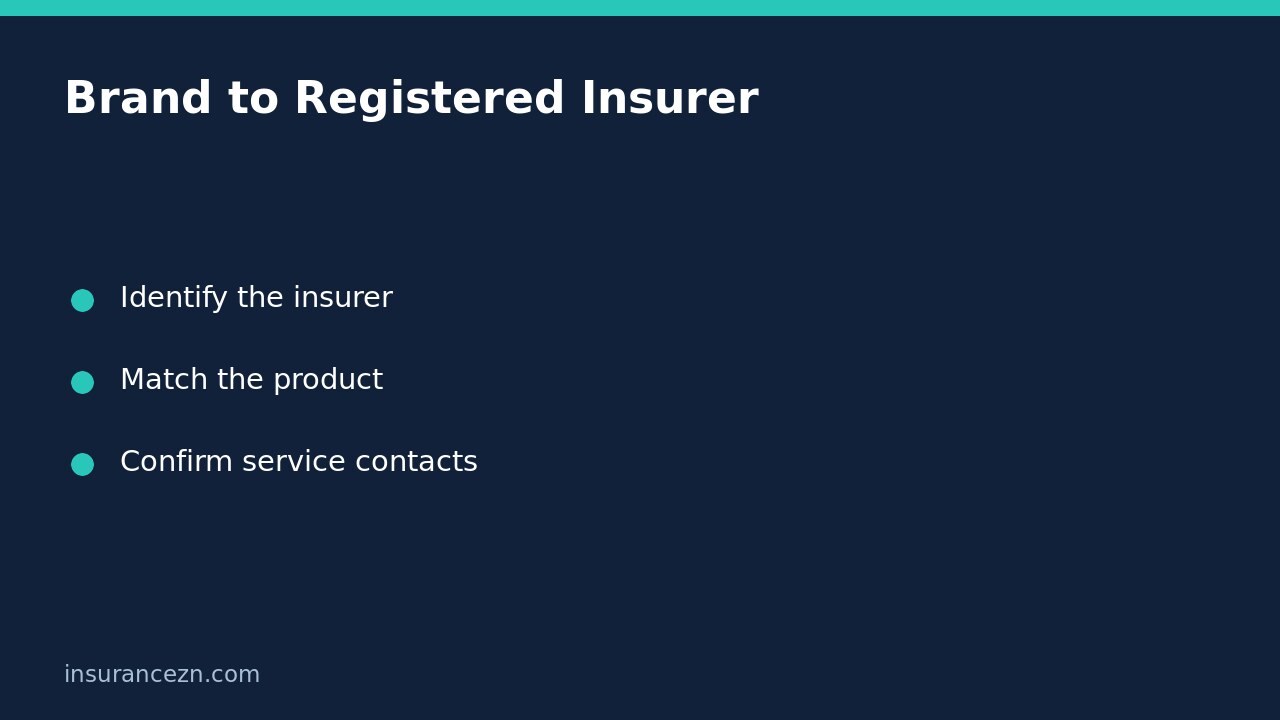

A familiar logo on an Australian health insurance offer is not necessarily the name of the registered health insurer providing the policy. Before you buy, identify both the marketing brand and the insurer, then match the exact product documents to your quote. This helps you ask the right organisation about membership and claims without assuming that every policy backed by the same insurer has identical benefits.
This is general information for Australian readers, not personal financial advice. Benefits depend on the applicable policy terms, fund rules and any relevant PDS; confirm your own circumstances with the insurer before relying on cover.
Why the brand and insurer names can differ
PrivateHealth.gov.au explains that registered health insurers can sell insurance through other organisations by underwriting their policies. Its overview also distinguishes open and restricted membership organisations, corporate policies, and different business structures. These are separate characteristics: a brand relationship alone tells you neither your membership eligibility nor your treatment benefits.
The same government overview says APRA monitors registered health insurers’ financial performance. That does not mean a particular treatment is approved or that every bill will be paid. Registration, product inclusion, waiting periods and the assessment of an individual claim answer different questions.
Build a two-name record before buying
Start with the quote and linked policy documents, rather than a search advertisement or an unofficial comparison snippet. Record the following details in one note:
- The brand name shown on the offer.
- The legal name of the registered insurer identified in the documents.
- The precise hospital and extras product names, including any version or policy identifier supplied.
- The state or territory and membership type used for the quote.
- The proposed commencement date, premium and payment frequency.
If the legal name is unclear, ask the seller to identify the registered insurer in writing. Use the government’s health insurer information to cross-check the identity. Do not substitute a similarly named life or general insurance company merely because its logo looks familiar.
Compare products, not just the company behind them
Consider a hypothetical buyer comparing a branded combined policy with a directly sold policy backed by the same insurer. The shared insurer is useful identification, but it is not evidence that extras limits, hospital inclusions, excesses, provider arrangements or premiums match. Compare the actual documents side by side.
The government’s private health insurance basics page explains that policies differ in covered services and benefit levels. It also points readers to Private Health Information Statements for comparison. Use the statement for the quoted product, not a different product with a similar name.
For a planned service, obtain a personal estimate using the provider and treatment details. A recognised name on the offer is not a substitute for this check. For example, our physiotherapy versus exercise physiology category checklist explains why the exact service matters before booking.
Find the correct membership and claims contacts
Ask who handles policy changes, benefit estimates, claims enquiries and complaints for this particular branded product. The answer may involve brand-specific channels; do not assume a branch or telephone team serving another product can process every request.
Use contact details from the policy documents or a verified official website. If you need to send invoices or personal health information, confirm the correct secure submission channel and membership reference first. Avoid sending duplicate claims through different organisations simply because two names appear on your paperwork.
Keep confirmation of what was actually processed. An enquiry acknowledgement is not proof that a membership change took effect, and an uploaded invoice is not claim acceptance. If different teams give inconsistent answers, ask for written clarification tied to the exact product and service date.
Quick questions before you accept the quote
- Who is the registered insurer? Keep its legal name with the brand name.
- Which documents match my offer? Check the product, location and membership details.
- Does a shared insurer mean shared benefits? No; compare the actual products and obtain personal estimates.
- Where do I request changes or claim help? Confirm the authorised channel for this product.
The useful outcome is a clear chain from brand to insurer to product to service contact. It makes administration easier while keeping the separate question of treatment eligibility grounded in the policy you actually hold.