
Dealing with the aftermath of a car accident is stressful enough without navigating the complexities of insurance paperwork. The immediate priority is always safety: check for injuries, call emergency services if needed, and move vehicles out of traffic lanes if possible. Once safety is secured, your attention shifts to the administrative process of filing a claim. Understanding the correct sequence of actions can prevent delays in repairs, ensure accurate compensation, and protect you from potential disputes with your insurer. This guide provides a clear, actionable roadmap for filing an auto insurance claim, covering everything from gathering evidence at the scene to following up on your settlement.
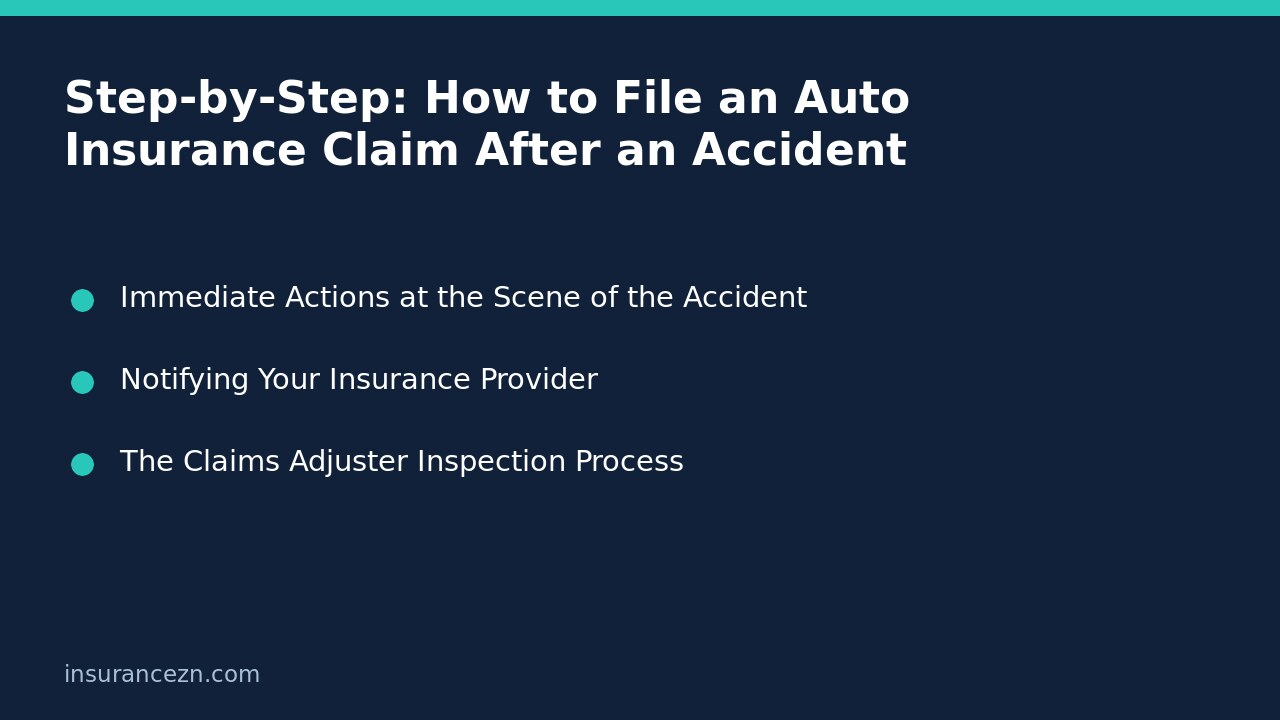
Immediate Actions at the Scene of the Accident
Before contacting your insurance company, there are critical steps you must take at the scene to preserve your rights and support your future claim. The most important action is to exchange information with all other drivers involved. Collect names, phone numbers, driver’s license numbers, license plate numbers, and insurance policy details. Do not rely solely on verbal agreements; get these details written down or exchanged via photos if necessary.
Next, document the scene thoroughly. Take comprehensive photographs of vehicle damage from multiple angles, including close-ups of specific dents, scratches, and broken parts. Capture wide shots that show the position of all vehicles involved relative to road signs, traffic signals, skid marks, debris, and any visible injuries. If there are witnesses, ask for their contact information and permission to include their statement in your claim. Witness accounts can be invaluable if liability is disputed later.
Notifying Your Insurance Provider
Time is often a factor in insurance claims. Most policies require you to report an accident within a specific timeframe, typically 24 to 72 hours, though some policies allow up to 30 days. Check your policy documents or your insurer’s website for their specific reporting window. Delaying notification can lead to claim denials based on the argument that you failed to act in good faith.
When you contact your insurance company, have your policy number and the accident details ready. Be prepared to provide the information you gathered at the scene, including photos and witness contacts. Ask for a claim number immediately; this unique identifier is essential for all future correspondence. Inquire about the next steps, such as scheduling an inspection with an adjuster or visiting a preferred repair shop. Some insurers offer online portals or mobile apps where you can start the reporting process instantly, which is often faster than waiting on hold.
The Claims Adjuster Inspection Process
Once your claim is opened, an insurance adjuster will be assigned to investigate the details and determine the value of your loss. This person acts as the representative for your insurance company, assessing liability and calculating repair costs. They may request a formal police report, which is crucial if there were injuries or significant property damage. In many jurisdictions, law enforcement automatically files a report for accidents involving injury or substantial property damage; however, you should still obtain a copy to provide to your adjuster.
The adjuster will likely schedule an appointment to inspect your vehicle. Be honest during this inspection and show them all the damage, including minor scratches that might not be immediately obvious. If your car is totaled, the adjuster will use specific guidelines (such as Actual Cash Value) to determine the settlement amount. It is important to understand that the insurer’s initial offer is often based on standard depreciation tables, which might differ from a private appraisal if you own the vehicle outright or have comprehensive coverage.
Gathering Documentation and Supporting Evidence
A well-documented claim is processed faster and yields better results. Beyond photos and police reports, gather receipts for any emergency expenses incurred due to the accident, such as towing fees, rental car costs, or medical bills. Keep a dedicated folder—digital or physical—for all documents related to the claim. This includes correspondence with the other driver’s insurance company, if applicable, and any letters from your own insurer regarding policy limits or deductibles.
If you have injuries, seek medical attention immediately, even if you feel fine initially. Some injuries, like whiplash or concussions, may not manifest symptoms for days or weeks. Medical records serve as vital proof of damages beyond vehicle repair. Ensure your doctors note the accident date and how the injury relates to the crash in your medical reports. Without this documentation, an insurer might argue that your medical expenses are unrelated to the claim.
Negotiating Your Settlement and Repair Options
After the adjuster reviews the evidence, you will receive an initial settlement offer. This figure represents what the insurer believes your car is worth minus your deductible. Review this offer carefully against repair estimates from independent shops if you are not using the insurer’s preferred network. If the offer seems low or excludes certain damages shown in your photos, do not accept it immediately. You have the right to negotiate by providing additional evidence, such as extra photos, expert opinions on hidden damage, or comparable market values for similar vehicles.
Be wary of pressure tactics from representatives urging you to sign quickly. Take your time to review the settlement breakdown. If the other driver is at fault and has insurance, their liability coverage should cover your damages up to their policy limits. However, if they are underinsured or uninsured, your own collision coverage will kick in after you pay your deductible. Understand the difference between Actual Cash Value (ACV) and replacement cost, as some policies offer ACV while others may provide additional options for total losses.
Common Mistakes to Avoid When Filing a Claim
Even experienced drivers make errors that can complicate their claims. One frequent mistake is admitting fault at the scene or on social media. Statements like “I think it was my fault” recorded by witnesses or posted online can be used against you later, even if traffic laws suggest otherwise. Stick to factual descriptions of what happened when speaking to police and insurers.
Another error is failing to report minor incidents promptly. Some drivers wait until they notice significant damage before calling, but water intrusion from a collision or battery drain from a short circuit can cause further harm quickly. Additionally, do not hide pre-existing damage. If you have an old scratch on the bumper that isn’t related to the crash, disclose it to the adjuster. Attempting to conceal this can lead to claim denial for fraud. Finally, avoid signing any release forms or settlement agreements until you are fully satisfied with the offer and understand exactly what you are waiving.
Checklist: Essential Items Before Submitting Your Claim
To streamline the process, prepare these items before contacting your insurer:
* Photos of all vehicle damage from multiple angles.
* Contact information for other drivers and witnesses.
* Copy of the police report (if available).
* Your policy number and driver’s license.
* Receipts for towing, rental cars, or medical treatment.
* Names and details of any repair shop estimates obtained independently.
By following this structured approach, you can navigate the claims process with confidence. Remember that insurance terms, availability, eligibility, laws, and prices vary significantly by insurer, policy type, and jurisdiction. This guide provides general information and does not constitute individualized financial or legal advice. Always consult your specific policy documents and consider speaking with a licensed insurance agent or attorney if your situation involves complex liability issues or significant injuries.