
Navigating the landscape of auto insurance can be confusing, particularly when faced with the decision between comprehensive and collision coverage. Many drivers assume these terms are interchangeable or that they must purchase both to be fully protected. However, understanding the distinct differences between them is crucial for tailoring your policy to your specific vehicle, financial situation, and risk exposure. While liability coverage protects others if you cause an accident, comprehensive and collision coverages protect your own vehicle from a wide range of incidents. Knowing exactly what each pays for allows you to avoid paying for unnecessary premiums or being underinsured when disaster strikes.
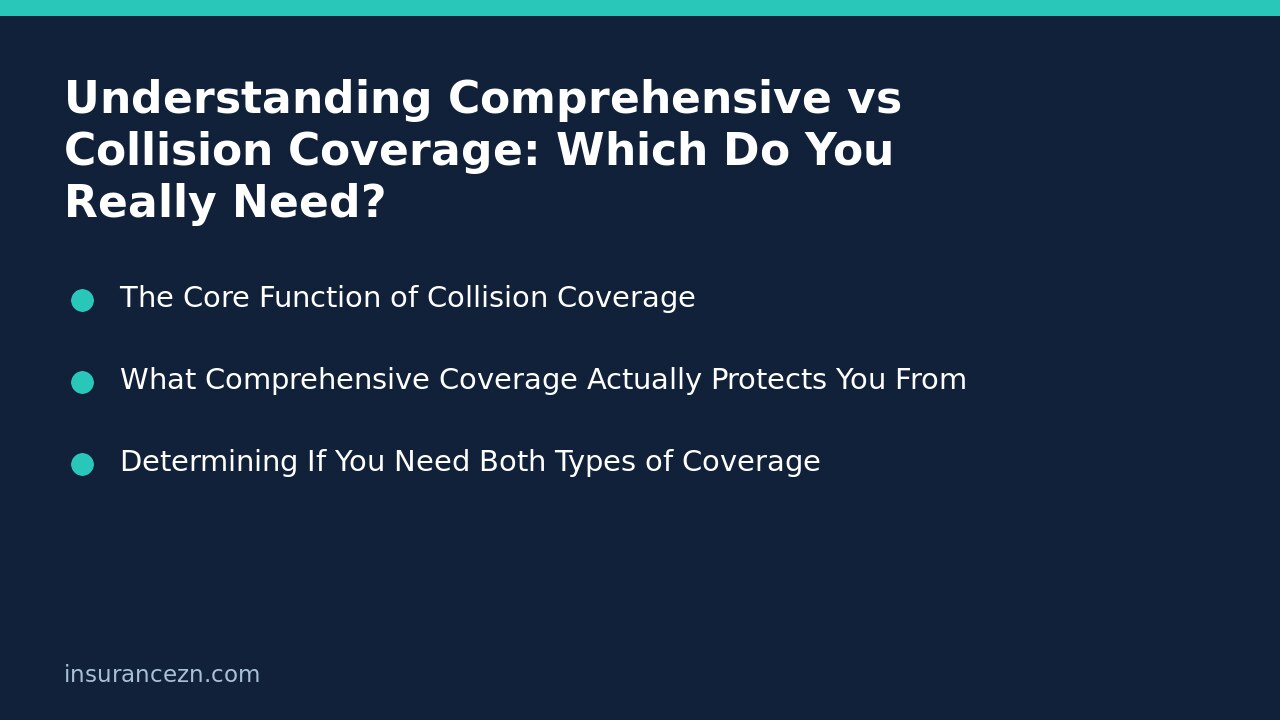
The Core Function of Collision Coverage
Collision coverage is designed to pay for damage to your vehicle resulting from a collision with another vehicle or object, regardless of who is at fault. This includes accidents involving other cars, hitting a tree, rolling over, or striking a fence or guardrail. Crucially, this coverage also applies if you hit an animal, such as a deer, though some policies treat large animal strikes under comprehensive depending on the specific wording.
When you file a claim for collision damage, your insurance company will cover the cost of repairs up to the actual cash value of your car, minus your deductible. If the repair costs exceed the vehicle’s value, the insurer will declare the car a total loss and pay out that value. Without collision coverage, you would be personally responsible for all repair bills, which could easily run into thousands of dollars. This makes it especially important for drivers with newer vehicles or those who finance their cars, as lenders almost universally require this type of protection until the loan is paid off.
What Comprehensive Coverage Actually Protects You From
Comprehensive coverage, often referred to as “other than collision” insurance, covers damage to your vehicle caused by events other than a crash. This category encompasses a broad spectrum of non-collision incidents, including theft, vandalism, fire, hail, falling objects like tree branches, and glass damage from rocks hitting the windshield. It also typically covers damage from flooding or natural disasters.
Unlike collision, which deals with kinetic impact, comprehensive addresses environmental and criminal threats to your property. For example, if a hailstorm dents your roof or a thief breaks into your car to steal the stereo system, comprehensive coverage handles the costs. Some policies may include specific endorsements for flood damage or riots, but standard comprehensive usually covers the major non-collision risks listed above. It is vital to note that comprehensive does not cover wear and tear, mechanical breakdowns, or routine maintenance issues like a blown-out tire.
Determining If You Need Both Types of Coverage
The most common question is whether you need both comprehensive and collision coverage. The answer depends heavily on the age and value of your vehicle. For newer cars, financing arrangements usually mandate both types. As vehicles age and their market value depreciates, the decision becomes more personal and financial.
Consider the concept of a “deductible break-even point.” If you have a $500 deductible on your collision policy, you should weigh the cost of the premium against the likelihood of an accident that would exceed that amount. If your car is worth significantly less than the sum of your annual premiums for these two coverages, some financial advisors suggest dropping them entirely and saving the money. Conversely, if you have a low-deductible loan or live in an area prone to hail storms or theft, maintaining both coverages might be the prudent choice to protect your significant asset.
Real-World Scenario: The Hail Storm Decision
To illustrate the practical difference, imagine driving an eight-year-old sedan in a region known for severe spring hail storms. You do not have comprehensive coverage because you wanted to save money on premiums. A massive storm rolls through overnight, leaving your windshield cracked and your roof dented. When you inspect the damage, the repair estimate comes in at $3,000. Without comprehensive coverage, you must pay the full $3,000 out of pocket.
Now, imagine the same scenario with comprehensive coverage included, but a higher premium paid monthly. You file a claim, and after paying your $500 deductible, your insurance company pays the remaining $2,500. Over the course of five years, if you experience one such event or even two smaller thefts, the total payout from the insurer will likely exceed the total amount you paid in extra premiums for comprehensive coverage. This scenario highlights why comprehensive is often a smart investment for drivers in high-risk geographic areas, even on older vehicles.
Common Mistakes Drivers Make When Selecting Coverage
One frequent error is assuming that “full coverage” means your policy includes both comprehensive and collision automatically. In reality, “full coverage” is not a technical insurance term; it simply refers to a policy that includes liability, medical payments, and physical damage coverages (comprehensive and collision). Drivers often skip these add-ons to lower their monthly bills, only to face financial ruin after a single incident.
Another mistake involves misunderstanding the deductible application. Both comprehensive and collision claims require you to pay your deductible first. Some drivers mistakenly believe that filing a comprehensive claim for hail damage will result in a premium increase similar to a liability-at-fault accident. While frequent claims can raise rates, a single non-collision claim is generally treated differently than an at-fault collision. However, filing multiple claims within a short period can still signal high risk to insurers and lead to rate hikes or policy cancellation.
Checklist for Evaluating Your Current Needs
Before making changes to your policy, run through this quick evaluation checklist:
1. Check your vehicle’s value: Look up the current market value of your car. If it is less than $3,000 to $4,000, consider if the cost of coverage outweighs the benefit.
2. Review your loan requirements: If you owe money on the car, your lender will dictate minimum coverage levels. Do not drop coverage until the loan is satisfied.
3. Assess your location risk: Do you live in an area prone to flooding, hail, or high theft rates? If yes, comprehensive is likely essential regardless of car age.
4. Calculate the break-even point: Multiply your annual premium for these coverages by three years. Does this amount exceed the cost of a typical repair bill you could afford to pay out of pocket?
5. Read your policy details: Ensure you understand exactly what exclusions apply, such as specific types of theft or damage to glass, which might require endorsements.
Remember that insurance terms, availability, eligibility, laws, and prices vary significantly by insurer, state jurisdiction, and individual policy structure. Always consult with a licensed agent to review your specific situation before making final decisions on your coverage limits and deductibles.
Conclusion
Understanding the distinction between comprehensive and collision coverage empowers you to make informed decisions about your auto insurance. Collision protects against crashes with objects or vehicles, while comprehensive guards against nature, theft, and vandalism. Whether you need both depends on your car’s value, your financial ability to absorb repair costs, and your specific geographic risks. By evaluating these factors carefully and avoiding common pitfalls like misunderstanding “full coverage,” you can secure a policy that offers the right balance of protection and affordability for your unique driving life.